Satellite Internet’s Promise and Precautions: Bridging India’s Digital Divide Under Watchful Eyes

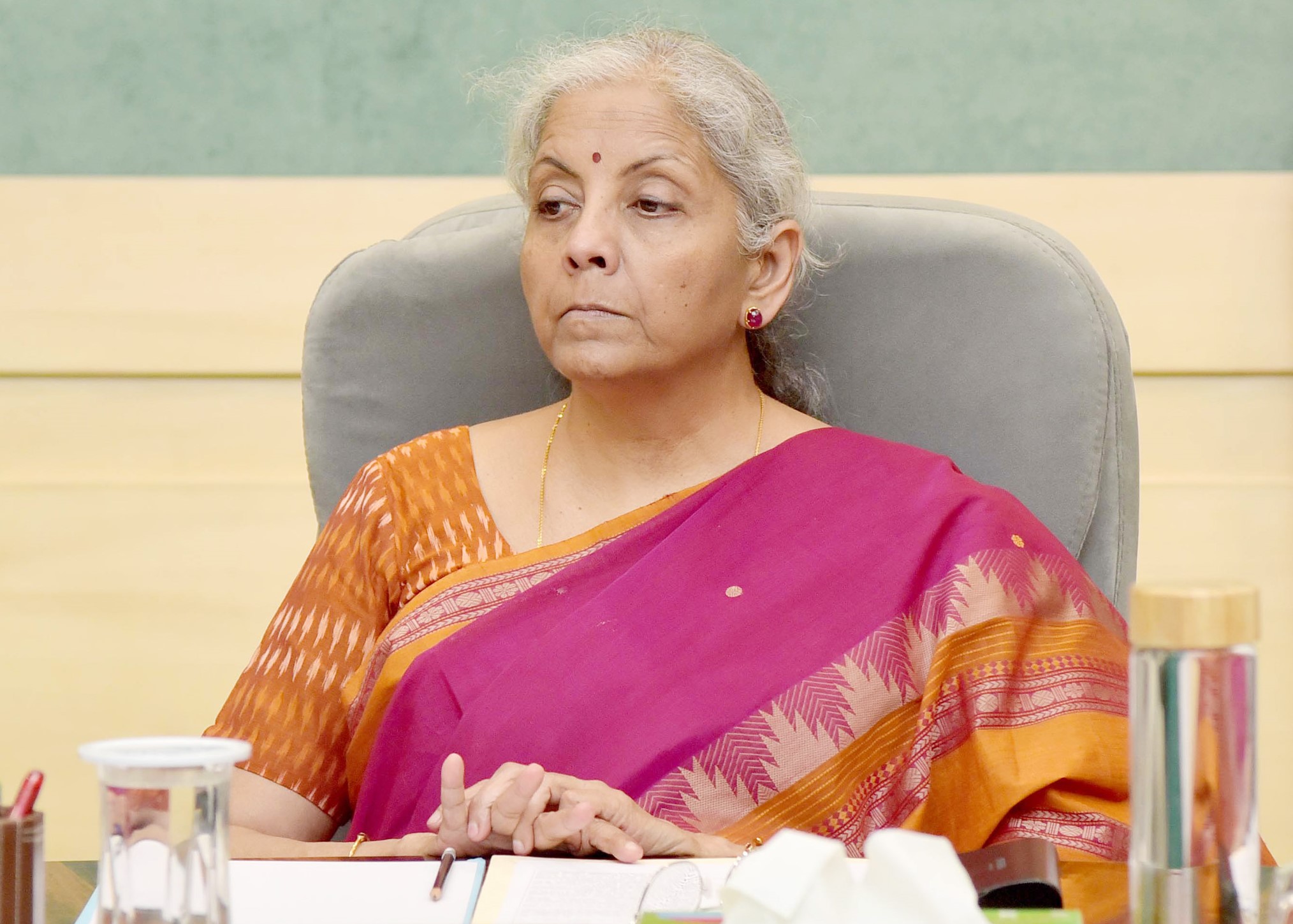
Union Minister of State for Communications Dr. Pemmasani Chandra Sekhar clarified that the DoT license to Starlink comes with strict safeguards.

New Delhi, August 25: With the Department of Telecommunications (DoT) formally granting a license for Starlink operations in India, satellite internet is being positioned as a potential game-changer in bridging the country’s deep-rooted digital divide. The technology promises to extend reliable connectivity to remote regions where laying fibre or building towers remains prohibitively expensive.
A Leap Toward Digital Inclusion
India, despite being the second-largest internet user base globally, still has over half its population without stable internet access. In hilly terrains, border villages, and sparsely populated areas, the cost of terrestrial infrastructure is often 10–20 times higher than in cities. Satellite internet, with its near-universal coverage, offers a direct way to plug these gaps and accelerate digital inclusion.
Regulatory Green Light
Union Minister of State for Communications Dr. Pemmasani Chandra Sekhar clarified that the DoT license to Starlink comes with strict safeguards. User data must be routed and stored within India, local earth stations are mandatory, and no mirroring or decryption of Indian data is permitted overseas. The service has also been capped at around 20 lakh subscribers to prevent market distortion and protect domestic telecom operators.
Risks and Concerns
However, experts caution that this leap is not without risks. The reliance on foreign-owned satellite constellations raises security and sovereignty concerns, particularly in sensitive regions where unauthorized terminals have previously bypassed government-imposed shutdowns. Affordability is another challenge — Starlink’s monthly plans are expected to hover around ₹3,000, with hardware kits costing upwards of ₹30,000, pricing out many low-income households.
Balancing Promise and Prudence
Analysts say the move marks a delicate balancing act. On one hand, satellite internet could transform access for students, small businesses, and healthcare delivery in underserved areas. On the other, it requires tight regulation and market discipline to ensure national security and equitable access.
As India opens its skies to satellite broadband, the debate now centres on how best to harness its promise while guarding against its pitfalls — a test of both technology and policy in shaping the next phase of the country’s digital transformation.