UMANG crosses 11.66 crore users as digital services expand
DigiLocker now has more than 72.43 crore registered users, while 4.07 lakh Common Service Centres are helping extend digital access to rural and remote areas.
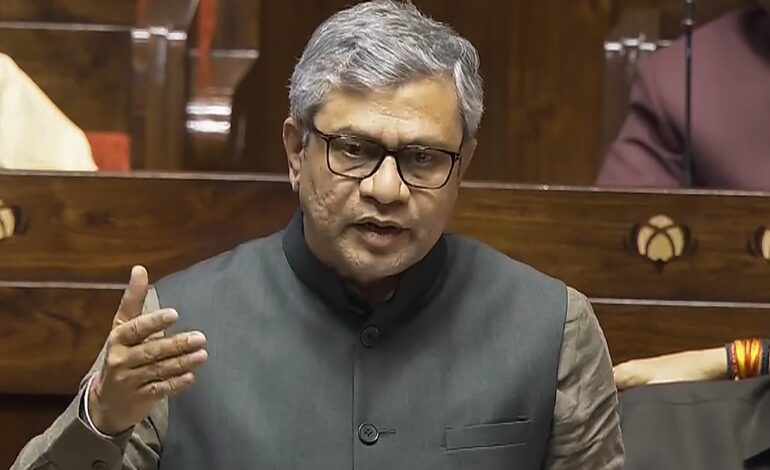
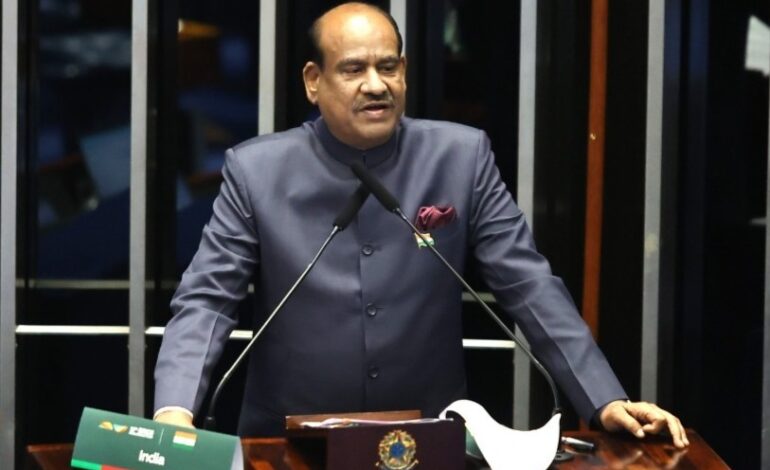
Union Minister for Electronics and Information Technology Ashwini Vaishnaw

NEW DELHI: India’s digital public service ecosystem continues to expand, with the UMANG platform crossing 11.66 crore registered users and DigiLocker reaching more than 72.43 crore users as the government pushes citizen services towards a more accessible, paperless and digitally connected model.
As of July 31, 2026, UMANG offered approximately 2,575 services across India, including 880 central government and 1,695 state government services.
DigiLocker, meanwhile, offered 5,437 document types and services, comprising 661 central government and 4,776 state government offerings.
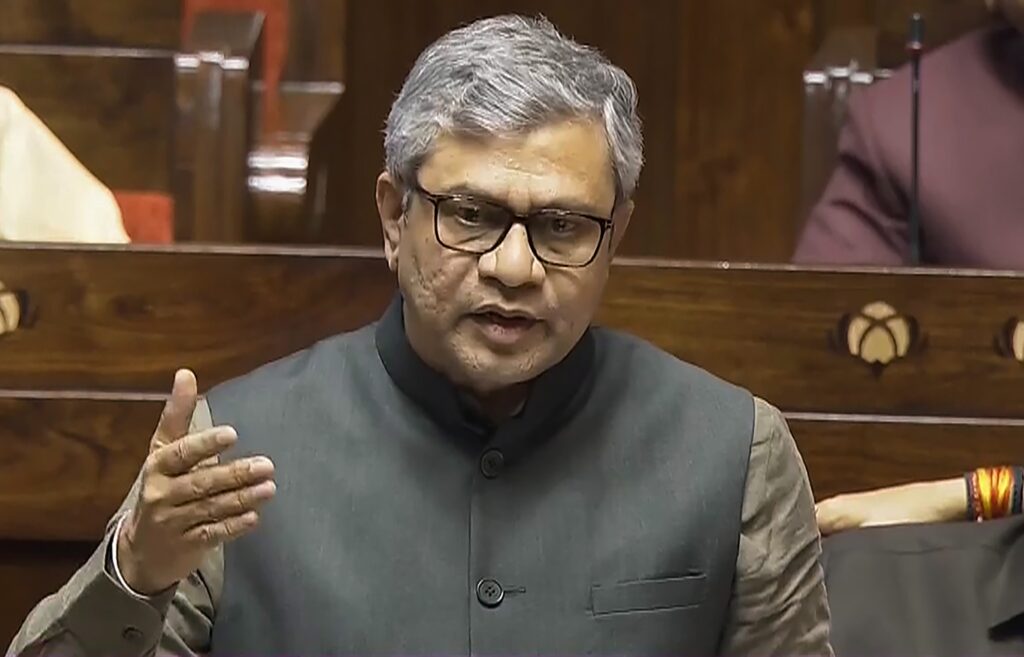
The figures were provided by Union Minister for Electronics and Information Technology Ashwini Vaishnaw in the Rajya Sabha on August 7, 2026.
UMANG has recorded about 798 crore transactions over the last three years, while DigiLocker has registered approximately 72.86 crore document-access transactions during the same period.
The numbers underline the growing role of the two platforms as digital gateways between citizens and government services.
UMANG, or Unified Mobile Application for New-Age Governance, brings services from central and state governments together through a common digital interface, while DigiLocker enables citizens to access and manage digital documents and services.
The government launched the Digital India programme in July 2015 with the stated objective of democratising technology and empowering citizens. UMANG and DigiLocker have since become important components of the programme’s citizen-centric service-delivery architecture.
The expansion is not limited to smartphone and internet users.
The government has also been strengthening the network of Common Service Centres to extend digital access to people in rural, remote and underserved areas.
As of June 30, 2026, a total of 4,07,122 CSCs were functional at the Gram Panchayat level.
Of these, 70,069 CSCs were operated by women village-level entrepreneurs.
The CSC network provides access to a range of services, including government services, banking, financial services, insurance, pension facilities and utility payments.
This physical layer of digital infrastructure is intended to complement online platforms by providing assisted access to citizens who may not have the devices, connectivity or digital skills required to independently access online services.
The government is also integrating UMANG and DigiLocker with key elements of India’s Digital Public Infrastructure.
The platforms are integrated with Aadhaar, eSign, API Setu and other major digital platforms, allowing government services and documents to be accessed through interconnected digital systems.
The integration is intended to make service delivery more seamless and paperless while reducing the need for citizens to make physical visits to government offices.
Digital authentication, document verification and consent-based sharing are among the features being used to support secure digital transactions and services.
The government is also attempting to address another challenge — ensuring that digital access does not become a new form of exclusion.
UMANG and DigiLocker are available through both mobile applications and web portals, allowing citizens to access government services from different devices and locations.
The platforms also offer services in multiple Indian languages, with continued efforts to improve accessibility and user experience.
Digital literacy remains another important component of the government’s strategy.
Through initiatives such as the Pradhan Mantri Gramin Digital Saksharta Abhiyan (PMGDISHA), the government is promoting digital literacy and conducting awareness campaigns aimed at encouraging citizens to use digital platforms.
The objective is to ensure that the expansion of digital infrastructure is accompanied by the ability to use it effectively.
The government is also continuing to onboard Central and State Government departments onto UMANG and DigiLocker, increasing the number of services and digital documents available through the platforms.
The figures from the two platforms illustrate the scale that India’s digital public infrastructure has reached.
UMANG’s 11.66 crore registered users and nearly 800 crore transactions over three years indicate sustained adoption of a common digital gateway for government services.
DigiLocker’s 72.43 crore registered users represent an even larger user base, reflecting the growing shift towards digitally accessible government documents and credentials.
At the same time, the expansion of CSCs provides a physical access point for citizens who remain outside the fully digital ecosystem.
Together, the three layers — online government platforms, interoperable Digital Public Infrastructure and assisted access through village-level service centres — are shaping India’s approach to digital governance.
The government is positioning this ecosystem not merely as a way of putting existing services online, but as a mechanism for reducing paperwork, simplifying access and bringing multiple government services closer to citizens.
The continued onboarding of services and documents will determine how far these platforms can evolve from digital repositories and service gateways into a genuinely integrated citizen-service infrastructure.
For Digital India, the larger transformation is already visible: government interaction is increasingly moving from physical counters and paper documents towards platforms that allow citizens to access services, authenticate themselves and retrieve official documents through a digital interface.