Indian Knowledge Systems: Higher Education Dept Hosts IKS Dialogue under Mission Sadhana Saptah 2026
Delivering the welcome address, Syed Ekram Rizvi, joint secretary (administration), Department of Higher Education, highlighted the role of the Capacity Building Commission in offering a wide range of online courses to enhance skills, knowledge, and capacity among government officials.

Session highlights integration of traditional knowledge with modern education, governance frameworks
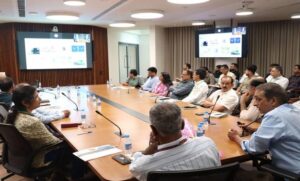
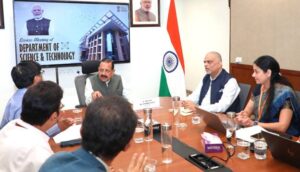
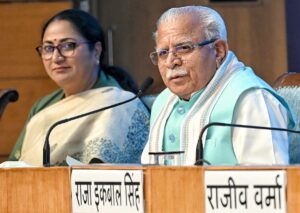
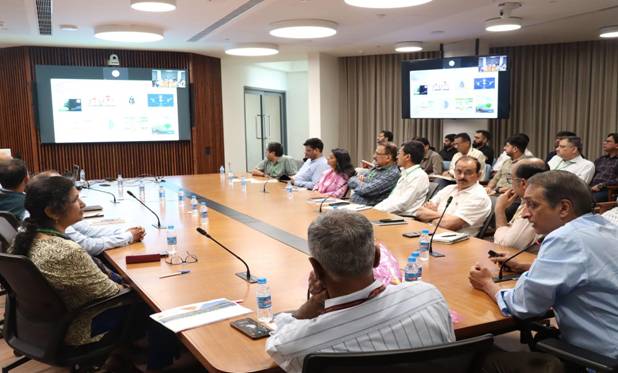
New Delhi: The Department of Higher Education organised an interactive session on Indian Knowledge Systems (IKS) as part of Mission Sadhana Saptah 2026, reinforcing the role of traditional knowledge in shaping contemporary education and governance.
Observed from April 2 to 8, Sadhana Saptah marked the foundation day of the Capacity Building Commission and five years of Mission Karmayogi, a flagship initiative aimed at fostering citizen-centric governance.
Delivering the welcome address, Syed Ekram Rizvi, joint secretary (administration), Department of Higher Education, highlighted the role of the Capacity Building Commission in offering a wide range of online courses to enhance skills, knowledge, and capacity among government officials.
The session focused on promoting structured peer learning and deliberations on integrating Indian Knowledge Systems into education, research, and policymaking. It explored how India’s intellectual traditions can contribute to innovation and modern problem-solving.
Mohan Raghavan, associate professor at IIT Hyderabad, delivered the keynote address, sharing insights from his interdisciplinary work spanning biomedical engineering, artificial intelligence, and heritage science.
He emphasised that Indian Knowledge Systems should not be treated as a standalone discipline but as a multidisciplinary framework capable of enriching fields such as science, engineering, humanities, and management. He noted that integrating IKS into higher education can move institutions beyond rote learning towards a holistic model combining knowledge, application, and values.
Highlighting its broader impact, he said such integration can promote research, innovation, and critical thinking while producing culturally aware and socially responsible graduates. He added that embedding IKS into academic frameworks aligns with ongoing education reforms and is essential for building a future-ready, globally competitive system rooted in Indian traditions.
The session concluded with an interactive Q&A, where participants discussed the relevance of IKS in governance and sustainable development.
Senior officials from the Department of Higher Education attended the session, reaffirming the ministry’s commitment to building a knowledge-driven and adaptive governance ecosystem under Mission Karmayogi.