‘Hidden Fat’ Warning: Central Obesity Bigger Risk Than Overall Weight, Says Dr Jitendra Singh
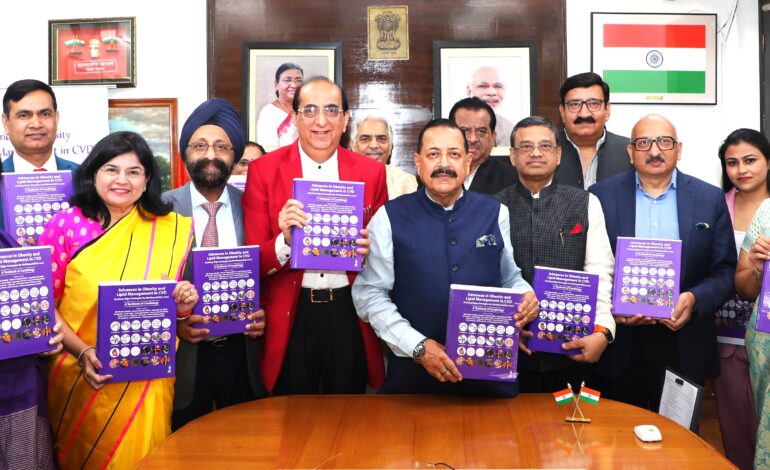
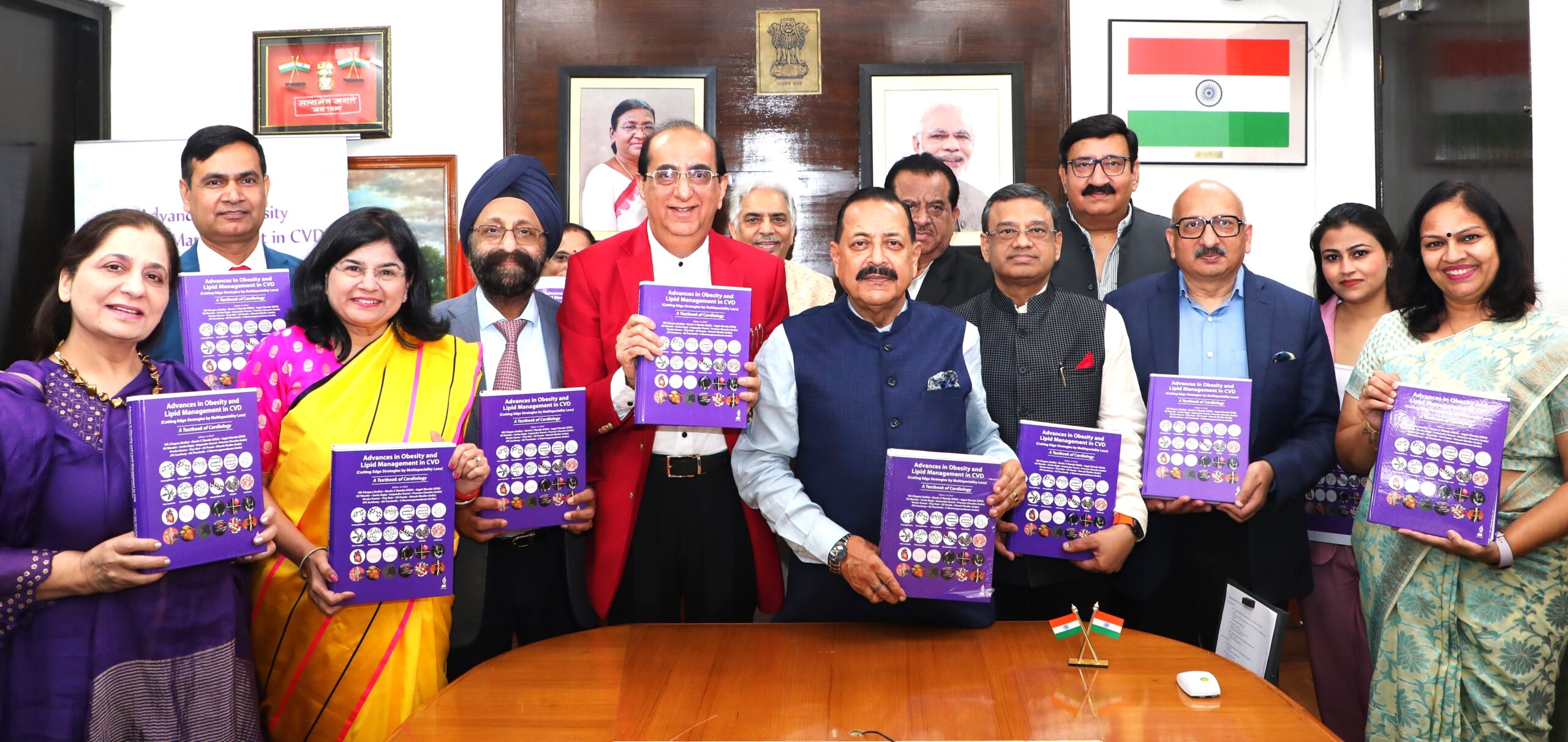
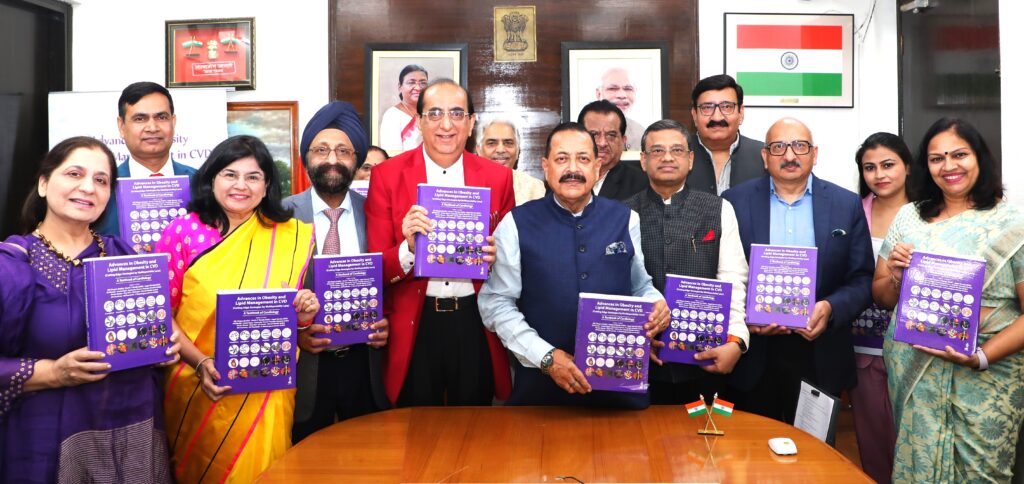
Union Minister Dr Jitendra Singh releases a comprehensive cardiology textbook on obesity and lipid management in New Delhi on Sunday.

New Delhi: Union Minister Dr Jitendra Singh on Sunday flagged central or abdominal obesity as a more serious health risk than overall obesity, particularly among Indians, warning that even lean-looking individuals may carry dangerous levels of visceral fat.
Releasing a comprehensive cardiology textbook on obesity and lipid management, the minister said central obesity acts as an independent risk factor and significantly increases vulnerability to a range of metabolic disorders, including diabetes, hypertension, cardiovascular diseases, fatty liver, and dyslipidemia.
Highlighting what he described as a distinct Indian phenotype, Singh noted that abdominal fat accumulation remains disproportionately high even among individuals who are not visibly overweight, making early detection and targeted intervention critical.
“Central obesity, even in apparently non-obese individuals, predisposes to a wide spectrum of metabolic disorders,” he said, underscoring the need for greater public awareness and preventive healthcare.
The minister linked the rising burden of such conditions to changing lifestyles, unhealthy dietary habits, and reduced physical activity, pointing to an increasing incidence of type-2 diabetes and cardiac ailments among younger populations.
Referring to Prime Minister Narendra Modi’s call for lifestyle changes, Singh said tackling obesity requires sustained behavioural shifts, including reduced consumption of unhealthy oils and improved diet patterns, alongside regular physical activity.
He also cautioned against unscientific fitness practices, noting that excessive or poorly guided exercise without adequate rest could pose additional health risks. Instead, he advocated a balanced approach combining disciplined lifestyle habits, proper sleep, and evidence-based preventive care.
The textbook, edited by noted cardiologist Dr. HK Chopra, brings together contributions from over 300 experts and covers emerging therapies, including GLP-1 receptor agonists and advanced lipid-lowering treatments, reflecting a shift towards precision prevention and AI-enabled clinical decision-making.
With projections indicating a sharp rise in obesity levels in India by 2050, the minister called for early screening, awareness, and proactive intervention to reduce long-term health and economic burdens.
The publication is expected to serve as a comprehensive clinical resource, bridging the gap between research and practice while strengthening capacity in cardiovascular care.