Future-Ready Delhi: Govt Clears Regularisation of 1511 Unauthorised Colonies ‘As-Is Where-Is’
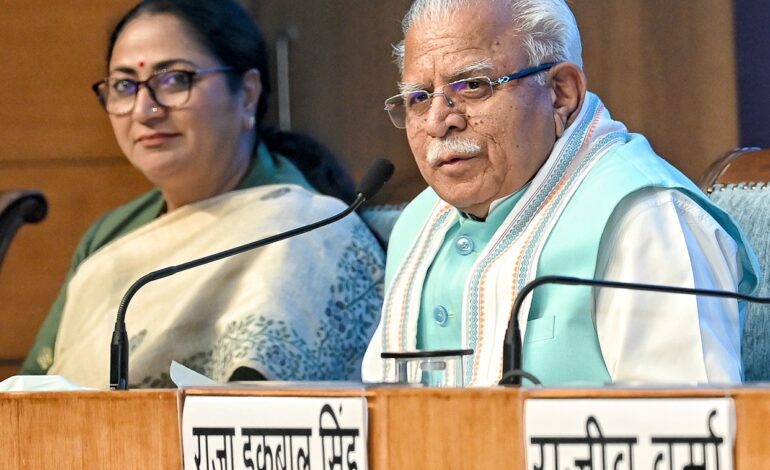
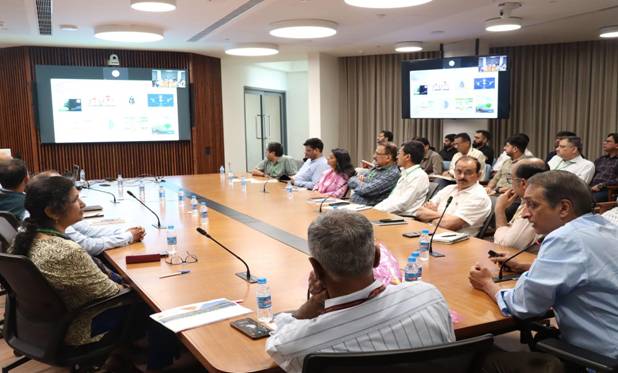
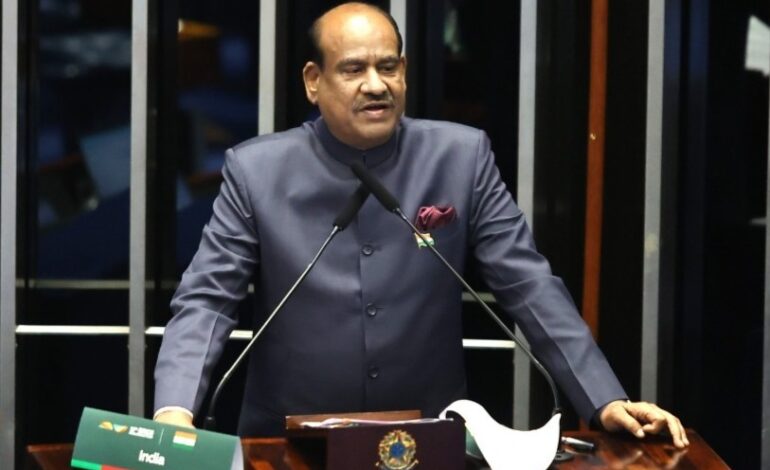
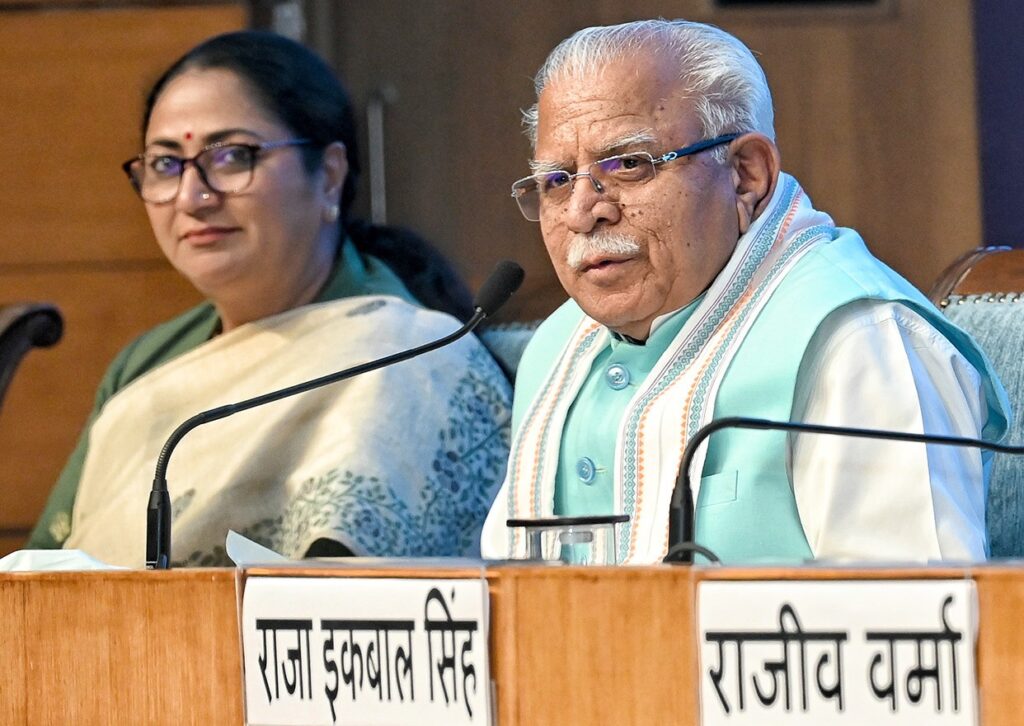
Union Minister for Housing & Urban Affairs and Power Manohar Lal along with Delhi Chief Minister Rekha Gupta addresses a press conference on Regularisation of Unauthorised Colonies in Delhi on ‘As is where is’ Basis and New Transit Oriented Development Policy on Delhi Metro corridor for providing affordable housing stock at National Media Centre, in New Delhi on Tuesday.

45 lakh residents to benefit; SWAGAM portal applications from April 24
New Delhi: Union Minister for Housing and Urban Affairs Manohar Lal Khattar announced a major decision to regularise 1,511 unauthorised colonies in Delhi on an “as-is where-is” basis, marking a significant step towards granting property rights and improving urban infrastructure.
Describing the move as a historic milestone, Khattar said the decision builds on the Pradhan Mantri–Unauthorised Colonies in Delhi Awas Adhikar Yojana (PM-UDAY) launched in 2019, and will encourage residents to formalise property ownership and undertake redevelopment in accordance with municipal norms.
Chief Minister Rekha Gupta said the regularisation marks a new chapter of relief, dignity and rights for nearly 45 lakh residents who had long been deprived of legal ownership despite living in their homes.
Under the decision, colonies not falling under exclusion categories will be regularised without requiring approved layout plans, removing a major bottleneck that had limited progress under the PM-UDAY scheme. Land use of all plots in these colonies will be treated as residential, and existing built-up structures will be regularised in their current form.
The government said the move shifts the framework from merely granting ownership rights to enabling full regularisation, allowing residents to obtain building approvals and access civic infrastructure.
Applications through the MCD’s SWAGAM portal will begin from April 24 for cases where Conveyance Deeds or Authorisation Slips have already been issued. A structured timeline has been laid out, including GIS-based surveys within seven days, rectification of application deficiencies within 15 days, and issuance of final documents within 45 days.
So far, around 40,000 Conveyance Deeds and Authorisation Slips have been issued under the PM-UDAY scheme. However, the absence of approved layout plans had prevented residents from obtaining building plan approvals or regularising existing structures, limiting the scheme’s impact.
To address this, the government has removed the requirement for prior layout plan approval and directed local bodies to issue Certificates of Regularisation, undertake surveys of vacant plots and facilitate infrastructure development.
The new provisions also allow limited commercial activity, with small convenience shops permitted under specified conditions, and introduce norms for redevelopment, including land surrender for road widening and applicable floor area ratio regulations.
Colonies located on restricted lands such as forests, heritage zones, Yamuna floodplains, and other protected areas will remain excluded from the regularisation process.
Officials said the decision reflects a coordinated approach involving multiple agencies, including MCD, Delhi Development Authority and the Government of NCT of Delhi, aimed at integrating unauthorised colonies into the formal urban framework.
The move is expected to significantly expand access to legal housing rights, improve urban planning and enable infrastructure development across large parts of the national capital.