StrandStrength social impact programme launched by Debabrata Mitalee Auro Foundation to support 5000 women recovering from cancer
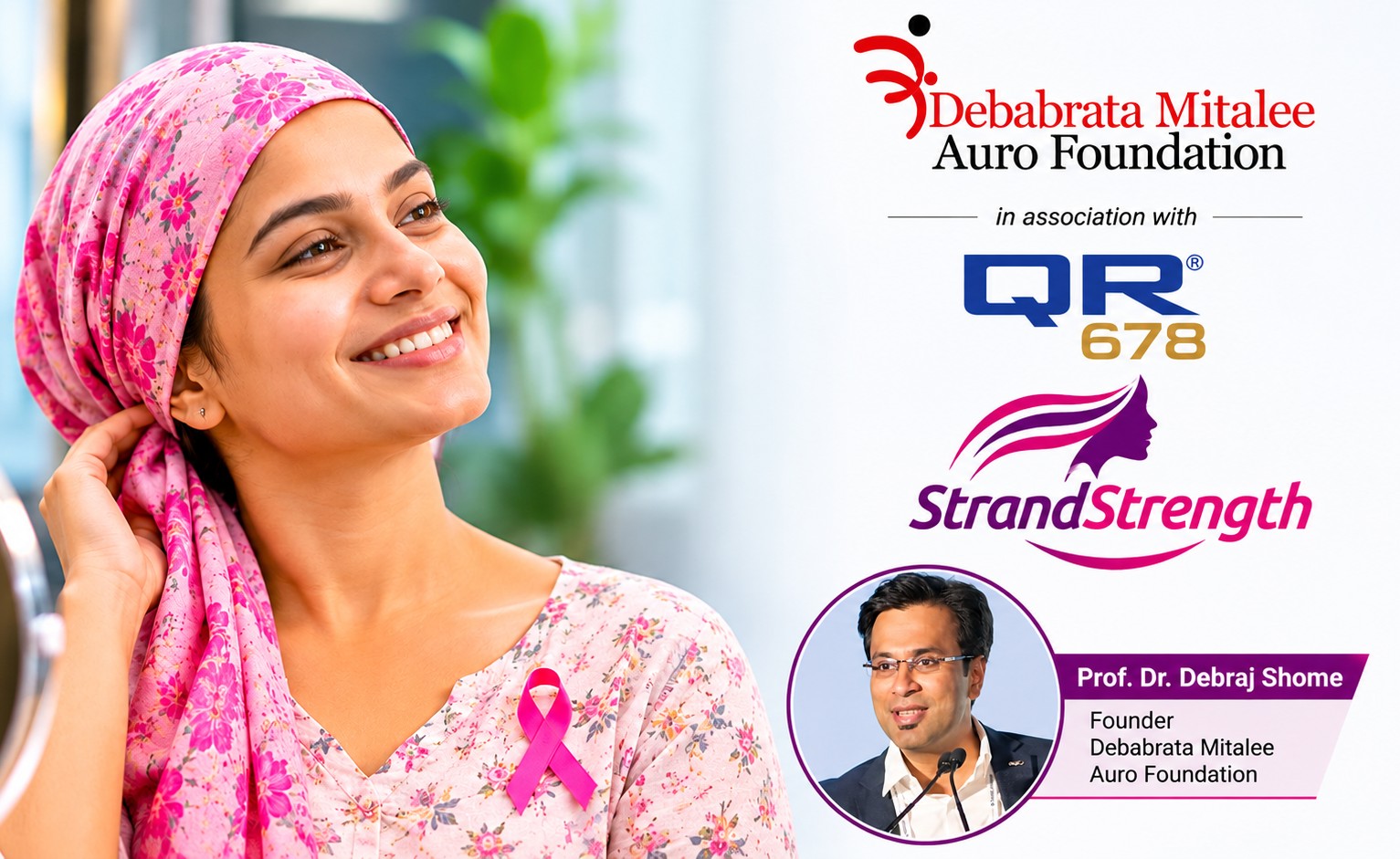
The ₹40-crore initiative, in association with QR678® Products, aims to provide complimentary dermatologist-guided hair and scalp care to women recovering from breast and ovarian cancer.

Prof. Dr Debraj Shome, Founder of the Debabrata Mitalee Auro Foundation, said the initiative was inspired by an interaction in 2006 with a young breast cancer patient at Tata Memorial Hospital who expressed distress over hair loss despite undergoing cancer treatment.

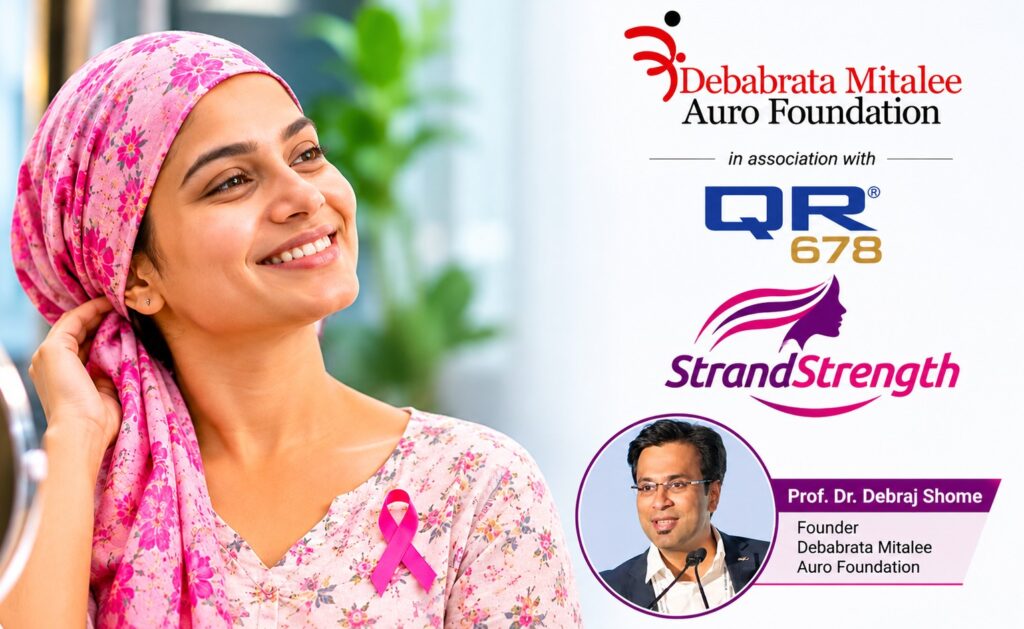
MUMBAI: A nationwide initiative to support women recovering from breast and ovarian cancer treatment has been launched, with a target of reaching 5,000 beneficiaries through complimentary cosmetic hair and scalp care.
The initiative, named StrandStrength, was announced on November 7 by the Debabrata Mitalee Auro Foundation (DAF), in association with QR678 Products, on the occasion of National Cancer Awareness Day.
Under the programme, QR678 Products will contribute cosmetic hair and scalp vitality products valued at ₹40 crore at maximum retail price (MRP). The initiative will be supported by a proposed national network of approximately 100 dermatologists who will provide complimentary, dermatologist-guided care.
The programme addresses the appearance-related and emotional challenges women may experience following chemotherapy, particularly hair loss and its impact on confidence and self-image.
Addressing an overlooked aspect of cancer recovery
According to the National Cancer Registry Programme figures cited by the Ministry of Health and Family Welfare in February 2026, India was estimated to record 2,40,381 new breast cancer cases and 49,449 ovarian cancer cases among women in 2025.
A 2023 study by Tata Memorial Hospital, also cited in the announcement, found that 58.66% of participants experienced severe distress associated with chemotherapy-induced hair loss.
The foundation said StrandStrength aims to address this aspect of recovery by helping women regain confidence and emotional well-being as they return to their families, workplaces and everyday lives.
Prof. Dr Debraj Shome, Founder of the Debabrata Mitalee Auro Foundation, said the initiative was inspired by an interaction in 2006 with a young breast cancer patient at Tata Memorial Hospital who expressed distress over hair loss despite undergoing cancer treatment.
He said the experience influenced his subsequent work in hair science and the development of QR678®, eventually contributing to the idea behind StrandStrength.
Network of hospitals and dermatologists
DAF will work with cancer hospitals, foundations, survivor networks and community organisations to identify eligible beneficiaries and connect them with participating dermatologists.
The foundation will coordinate beneficiary identification, institutional partnerships, programme implementation and community outreach. The proposed network of around 100 dermatologists is expected to facilitate access to appropriate cosmetic hair and scalp care.
Indrajit Dutta, Vice President of QR678®, said the company would contribute products valued at ₹40 crore at MRP to support the programme’s target of reaching 5,000 women.
He said the initiative was designed to make cosmetic hair and scalp vitality products accessible through a network involving the foundation, dermatologists and cancer support organisations.
Dr. Ankita Gupta, Project Mentor for StrandStrength, said the programme reflected the importance of recognising needs that may otherwise be overlooked during cancer recovery.
Towards a sustained national support platform
StrandStrength is envisaged as a long-term national platform that will expand through dermatologist participation, institutional partnerships and community-based outreach.
DAF, a Section 8 not-for-profit organisation working across healthcare and social impact initiatives, will serve as the programme’s coordinating organisation.
The initiative highlights an emerging dimension of cancer survivorship: the need to address not only medical recovery but also the psychological and appearance-related concerns that can affect quality of life after treatment.
Its reach and impact will depend on the development of the proposed dermatologist network, institutional partnerships and effective identification of eligible beneficiaries across the country.