PM announces AI skilling of 1 crore youth, five new nuclear reactors by 2030
The AI skilling push comes as rapid adoption of artificial intelligence reshapes industries, creating demand for new capabilities and opportunities for young Indians in the emerging AI-driven economy.
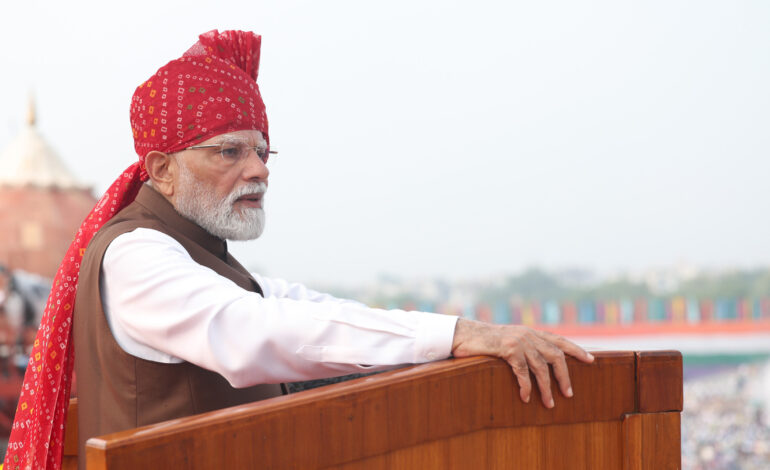
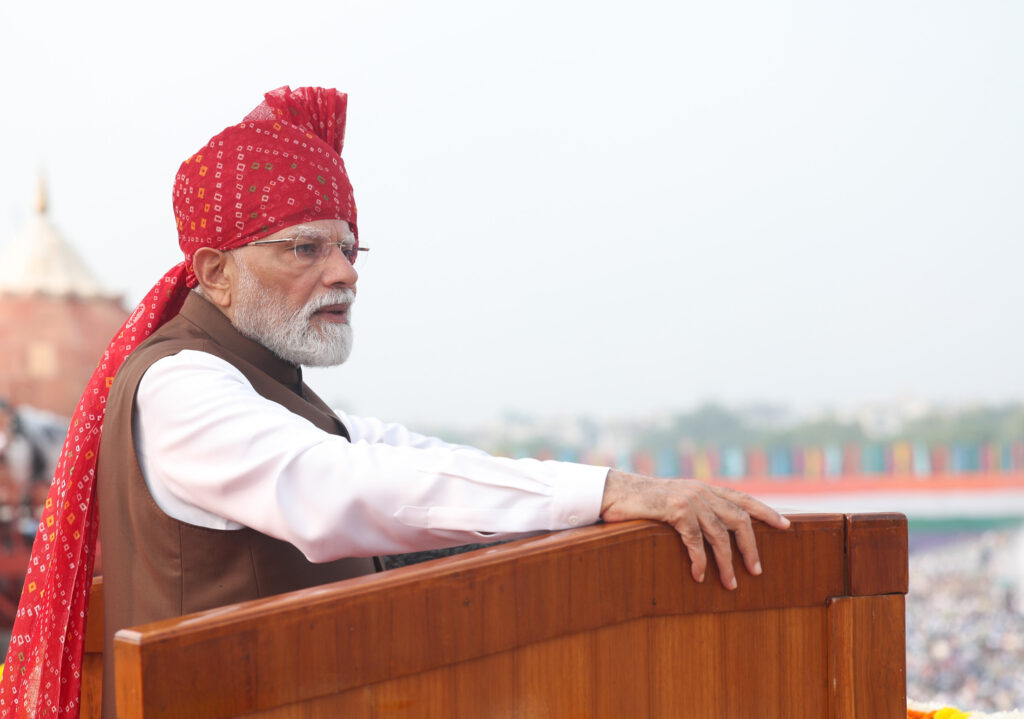
Prime Minister Narendra Modi addresses the nation from the Red Fort on Saturday on the occasion of India’s 80th Independence Day.

NEW DELHI: Prime Minister Narendra Modi has announced a series of initiatives targeting AI skilling, nuclear energy, semiconductor manufacturing, education, sports, civil defence and women-led development as India advances its Viksit Bharat 2047 agenda.
Prime Minister Narendra Modi made the announcements while addressing the nation from the Red Fort on Saturday on the occasion of India’s 80th Independence Day.
The Prime Minister announced that one crore young people would be trained in artificial intelligence skills over the next year, with the objective of equipping India’s youth to participate in and lead the emerging AI economy.
The AI skilling initiative comes as the rapid adoption of artificial intelligence is reshaping industries and creating demand for new technology capabilities. The government plans to focus on developing skills that can enable young Indians to take advantage of opportunities emerging from the AI-driven economy.
In another education-focused announcement, Modi said a nationwide network of free online coaching would be created for young people preparing for various competitive examinations.
He said the initiative would bring together India’s Digital Public Infrastructure, available talent and teachers to provide free coaching, addressing the financial burden of coaching classes on poor and middle-class families.
The Prime Minister also announced a nationwide sports talent identification campaign targeting children between five and 15 years of age.
The campaign will cover villages, cities and schools and seek to identify promising sporting talent at an early age. Children identified through the programme would receive specialised training aimed at developing them into athletes capable of representing India.
The initiative will also focus on Olympic disciplines in which India currently has limited participation or does not qualify, with the objective of expanding the country’s capabilities across a wider range of sports.
Modi also announced plans to create a vibrant Civil Defence network to respond to emerging security challenges.
He said the nature of warfare was changing and that threats could extend beyond conventional borders to infrastructure such as refineries, banks, data centres and factories. Existing Civil Defence arrangements, he said, had largely been designed for the challenges of the previous century and needed to be modernised.
The proposed network will familiarise citizens with modern systems and develop a large voluntary Civil Defence force capable of responding to contemporary challenges.
Semiconductor manufacturing emerged as another major component of the Prime Minister’s self-reliance agenda.
Modi said three semiconductor plants had already started production and that output from these facilities had begun to be exported. He said another five to eight semiconductor plants would come up over the next seven to eight years.
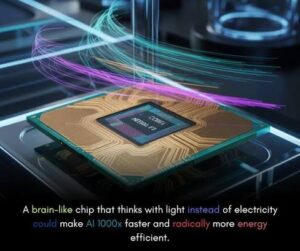
The expansion is intended to strengthen India’s domestic semiconductor ecosystem and reduce dependence on external sources for chips that underpin digital technologies, artificial intelligence and other strategic sectors.
Nuclear energy is also being positioned as a critical component of India’s future energy security.
Modi announced a target of 100 GW of nuclear power capacity by 2047 and said India aims to start five new nuclear reactors within the current decade.
He linked the expansion of nuclear power to the rapidly increasing energy requirements of semiconductor manufacturing, artificial intelligence and data centres.
The Prime Minister also highlighted India’s progress in fast breeder nuclear technology, describing the milestone achieved this year as an important step towards greater self-reliance in nuclear fuel.
Women-led development formed another major component of the Independence Day announcements.
Modi said the earlier target of creating three crore Lakhpati Didis had already been surpassed. India will now target six crore Lakhpati Didis, he announced.
The addition of another three crore Lakhpati Didis is expected to strengthen the role of women in the rural economy and expand women-led economic activity across villages.
The announcements collectively link technology, skills, energy, manufacturing, education, national security and women’s economic participation to India’s longer-term development strategy.
The emphasis on AI skills and semiconductors also reflects the growing importance of technological self-reliance, while the nuclear power target seeks to address the energy requirements of an increasingly digital and technology-intensive economy.