50 Lakh PNG Connections Push: Centre Calls for Faster Rollout, Seamless Urban Gas Supply
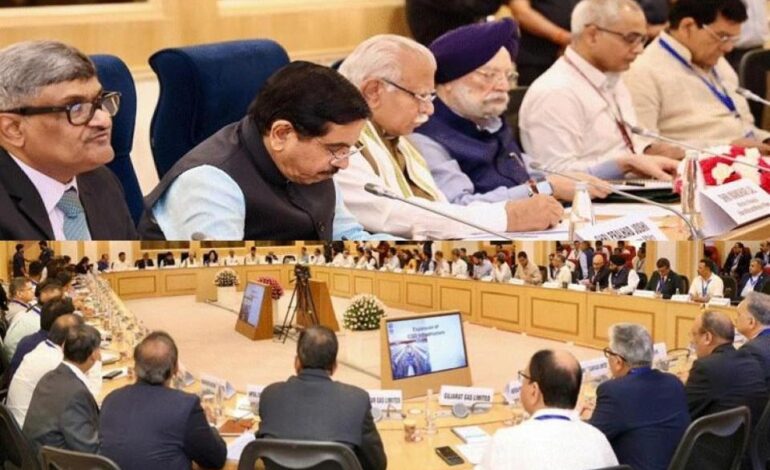
Chaired by Union ministers including Manohar Lal Khattar, Hardeep Singh Puri and Prahlad Joshi, the meeting focused on aligning infrastructure rollout with urban planning and improving last-mile delivery.

New Delhi: The Centre has set an ambitious target of adding 50 lakh new Piped Natural Gas (PNG) connections as part of a coordinated push to expand clean energy access in cities, while ensuring uninterrupted delivery of essential services.
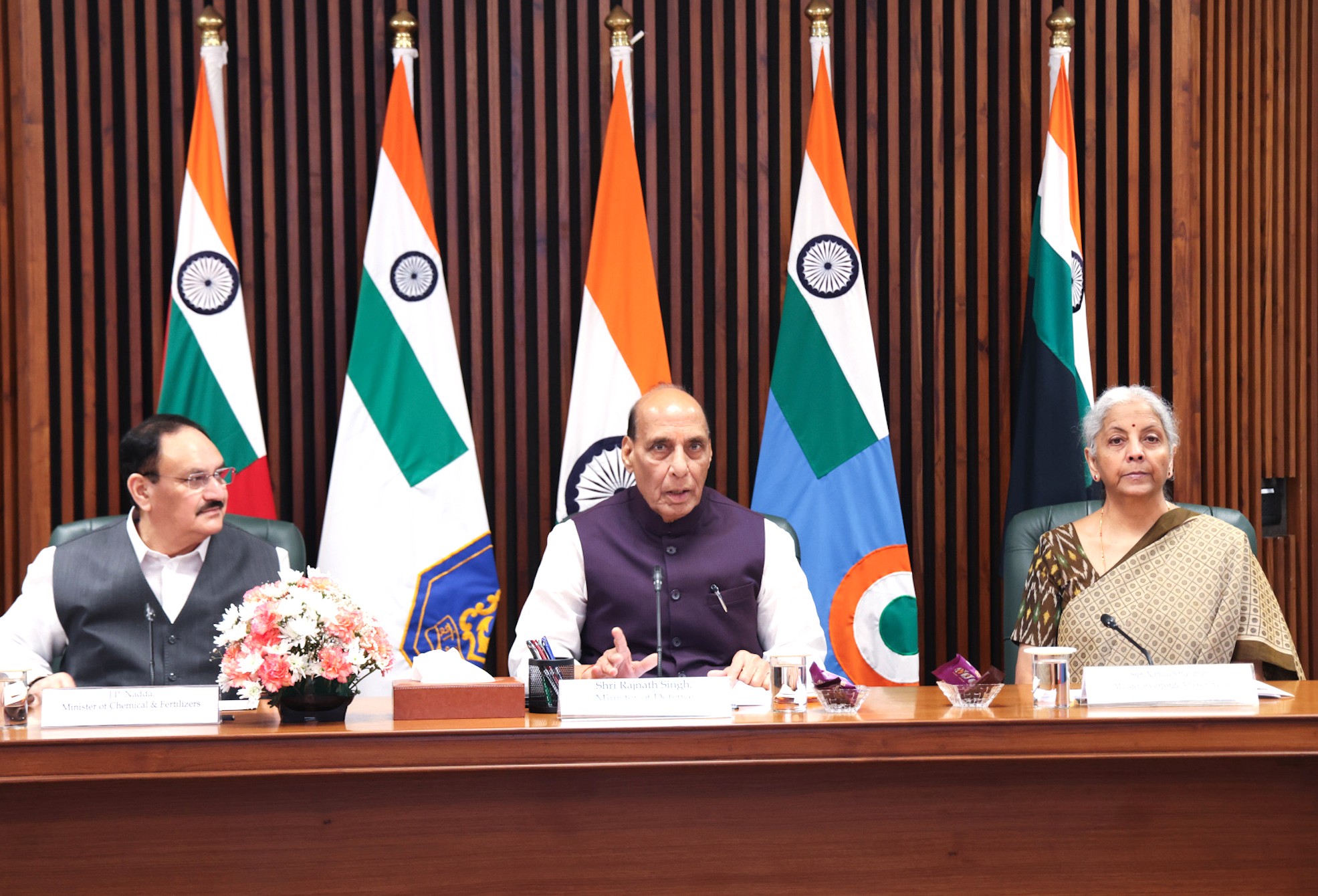
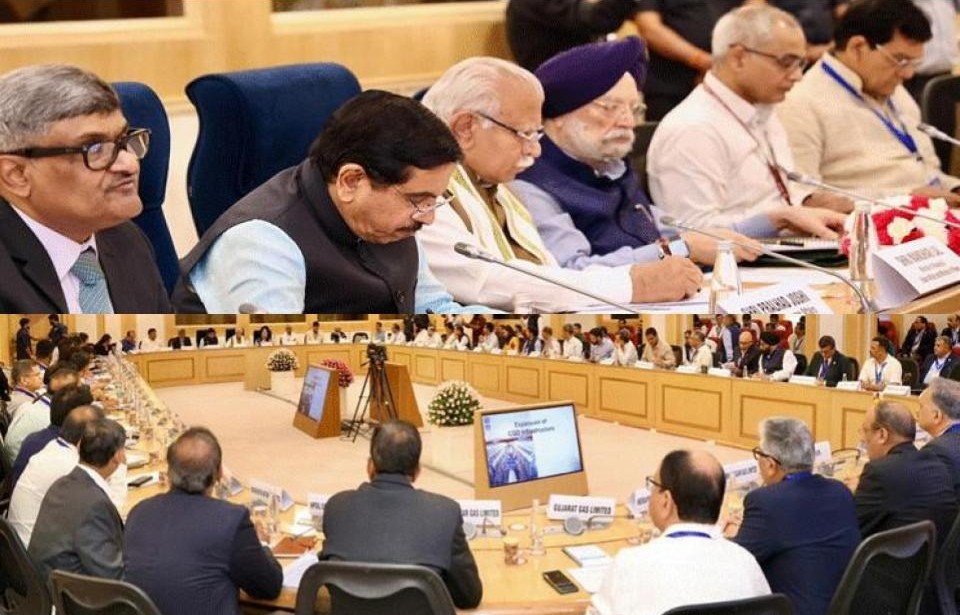
The roadmap was discussed at a high-level roundtable at Vigyan Bhavan, bringing together ministers, state representatives, urban local bodies, and industry stakeholders to accelerate PNG network expansion across urban India.
Chaired by Union ministers including Manohar Lal Khattar, Hardeep Singh Puri and Prahlad Joshi, the meeting focused on aligning infrastructure rollout with urban planning and improving last-mile delivery.
Focus on benefits: Why PNG push matters
Officials highlighted that PNG offers a safer, more reliable, and environmentally cleaner alternative to LPG, with multiple advantages for households and institutions:
- Continuous supply without the need for cylinder refills
- Improved safety, with lower risk of leakage and accidents
- Cost efficiency over time due to regulated pricing
- Reduced carbon footprint, supporting clean energy transition
- Convenience for urban households, schools, and commercial units
The shift to PNG is also expected to reduce logistical pressures associated with LPG distribution, especially in densely populated urban centres.
Key challenges identified
Despite progress, officials acknowledged several bottlenecks slowing down PNG expansion:
- Delays in municipal permissions and Right of Way (RoW) approvals
- High road restoration charges
- Lack of single-window clearance mechanisms
- Coordination gaps between urban bodies and gas distribution entities
Stakeholders called for time-bound approvals, rationalisation of charges, and integration of PNG infrastructure into city planning frameworks.
Mission-mode implementation
Manohar Lal Khattar stressed the need for a mission-mode approach, proposing:
- Single-window approval systems
- Faster road-cutting permissions
- Stronger last-mile connectivity
- Convergence with existing urban development schemes
Hardeep Singh Puri highlighted the importance of PNG in strengthening India’s energy security and resilience, urging states to actively promote adoption in areas where infrastructure is already in place.
Prahlad Joshi emphasised maintaining uninterrupted essential supplies, while calling for strict monitoring to prevent black marketing and curb misinformation.
States, cities commit to action plan
State governments and urban local bodies agreed to:
- Streamline approval processes
- Appoint nodal officers for coordination
- Rationalise RoW charges
- Work closely with City Gas Distribution (CGD) companies
A follow-up break-out session between municipal commissioners and CGD entities identified city-specific bottlenecks and outlined time-bound action plans for implementation.
With a structured rollout strategy and stronger Centre-state coordination, the PNG expansion drive is expected to play a critical role in urban energy transition, improving service reliability while supporting India’s clean energy goals.