Whole-of-Government, Whole-of-Society Effort Needed to Make India Filariasis-Free by 2027: Nadda
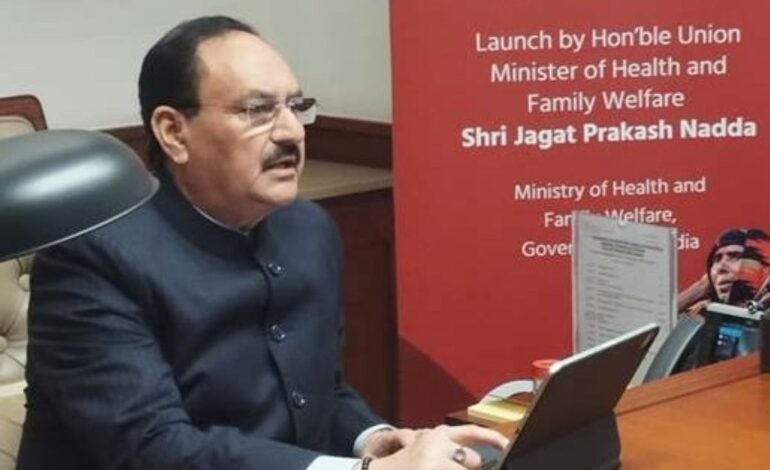
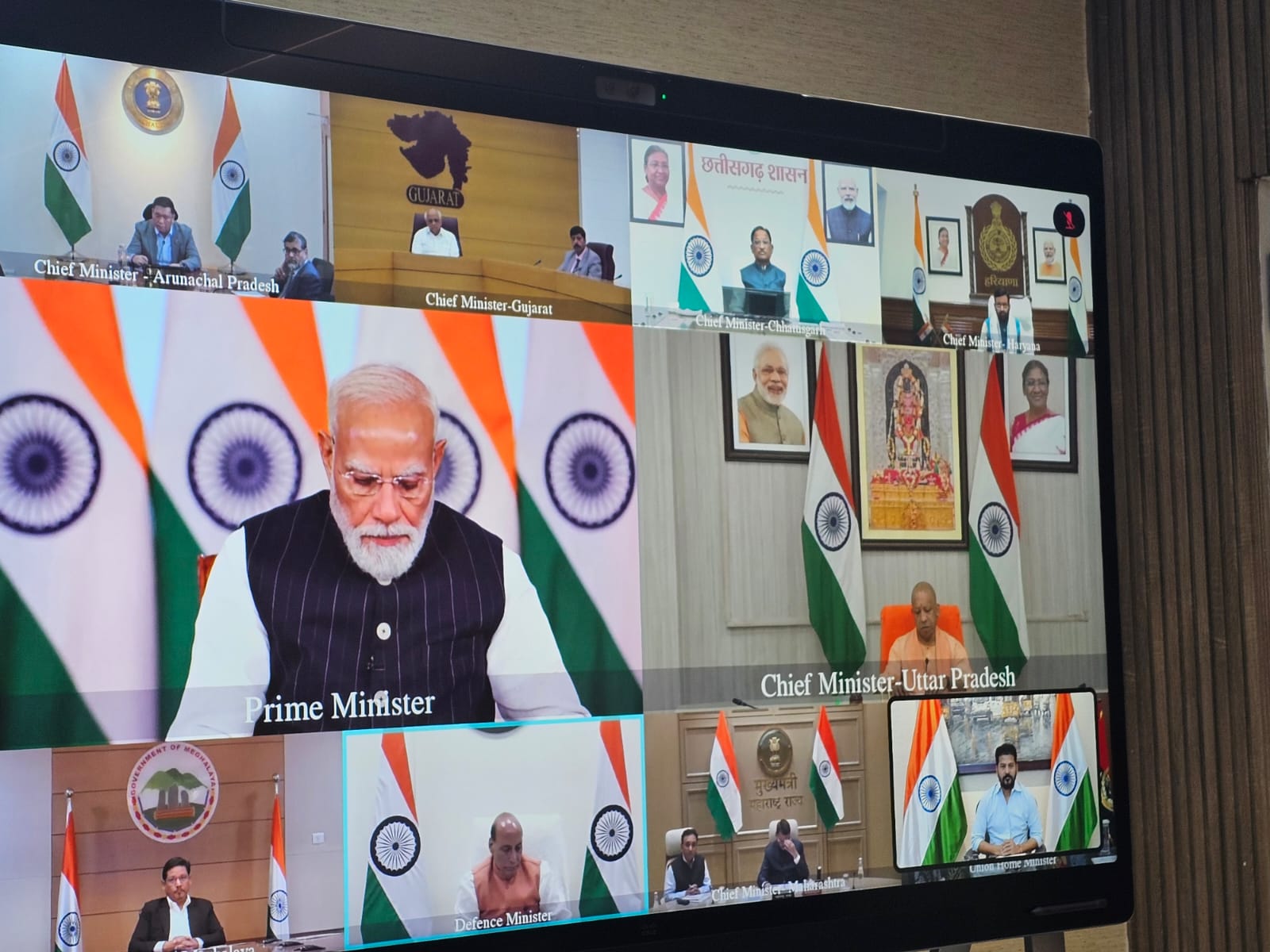
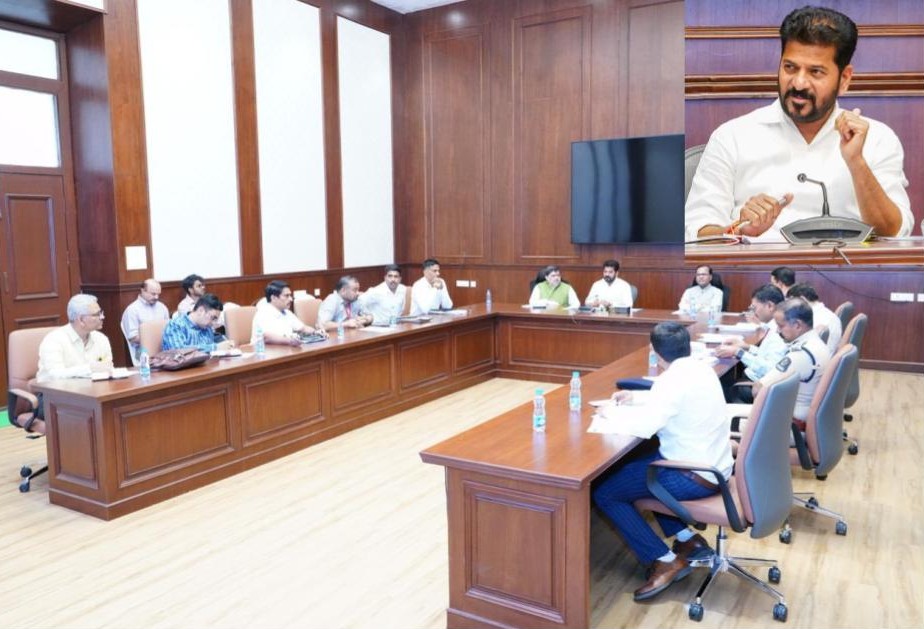
Union Health Minister Jagat Prakash Nadda launches the nationwide Mass Drug Administration campaign for elimination of lymphatic filariasis through video conference on Tuesday.

DELHI: Union Health Minister Jagat Prakash Nadda on Tuesday launched the Annual Nationwide Mass Drug Administration (MDA) Campaign for the elimination of Lymphatic Filariasis (LF) across 12 endemic States, reaffirming the government’s commitment to eliminate the disease as a public health problem by 2027.
The campaign was launched through a video conference with State Health Ministers and senior officials from identified LF-endemic States. The initiative aims to interrupt disease transmission, reduce morbidity and ensure equitable access to preventive healthcare for vulnerable populations.
Lymphatic filariasis, commonly known as elephantiasis or haatipaon, is a mosquito-borne disease transmitted by the female Culex mosquito. The infection damages the lymphatic system and can lead to chronic disability, social stigma and economic hardship. LF is currently endemic in 348 districts across 20 States and Union Territories.
Addressing the gathering, Jagat Prakash Nadda said eliminating LF is not only a health priority but also a social and economic imperative, as the disease severely affects livelihoods, productivity and quality of life. He said the government is targeting elimination by 2027, three years ahead of the global Sustainable Development Goal timeline.
Nadda highlighted progress achieved through mission-mode implementation of the MDA programme, particularly through directly observed drug consumption. He stressed the need to strengthen vector control measures alongside sustained MDA to effectively break the chain of transmission.
Referring to last-mile challenges, Nadda pointed to public hesitancy towards medication and gaps in ensuring observed consumption, calling for stronger community engagement, awareness campaigns and trust-building at the grassroots level.
The Union Health Minister also emphasised Morbidity Management and Disability Prevention, including timely hydrocele surgeries and regular treatment for lymphoedema patients. He said Ayushman Arogya Mandirs can play a key role in early screening and treatment, while hydrocele surgery under Ayushman Bharat–Pradhan Mantri Jan Arogya Yojana is providing financial protection to patients.
The current MDA campaign is being implemented across 719 blocks in 124 districts of 12 States. Nadda said microfilaria prevalence must be brought below one per cent in all endemic areas and called for active participation of Panchayat representatives, particularly block-level Pradhans, along with allied ministries to ensure effective implementation.
Under the revised strategy, India has transitioned to a unified annual MDA campaign from February 2026, replacing the earlier biannual rounds. The move is aimed at improving operational efficiency, strengthening surveillance and accelerating progress towards elimination.
MDA coverage has improved from 75 per cent in 2014 to 85 per cent in 2025, while the proportion of endemic districts that have stopped MDA after clearing Transmission Assessment Survey-1 has risen to 41 per cent. During the 2025 campaign, 18.48 crore people consumed anti-filarial drugs, achieving 96 per cent coverage of the eligible population.
Senior officials present on the occasion included Punya Salila Srivastava, Secretary, Ministry of Health and Family Welfare; Aradhna Patnaik, AS & MD, NHM, Ministry of Health and Family Welfare; and Nikhil Gajraj, Joint Secretary (VBD), Ministry of Health and Family Welfare.