Siddha is a holistic, preventive and sustainable healthcare system for the modern world

Vice President C. P. Radhakrishnan inaugurated 9th Siddha Day celebrations and addressed policymakers, practitioners, academicians and students in Chennai.

Vice President inaugurates 9th Siddha Day celebrations in Chennai; five eminent contributors honoured
Chennai: Siddha medicine is a comprehensive, preventive and sustainable healthcare system that remains highly relevant to the modern world, Vice President C. P. Radhakrishnan said while inaugurating the 9th Siddha Day celebrations at Kalaivanar Arangam here on Saturday.
Addressing policymakers, practitioners, academicians and students, the Vice President said India’s traditional systems of medicine are living traditions that continue to serve millions, and not relics of the past. He described Siddha as one of the country’s most ancient medical systems, grounded in centuries of accumulated knowledge and a holistic philosophy that integrates body, mind and nature.
Radhakrishnan highlighted Siddha’s strong focus on preventive care, lifestyle management and treating diseases at their root cause, noting its relevance in an era marked by stress-related and lifestyle disorders. While acknowledging advances in modern medicine, he said traditional systems play a crucial role in long-term healing and restoring balance, and called for responsible, evidence-based practice to strengthen public trust.
He also underscored the importance of preserving ancient palm-leaf manuscripts, classical texts and medicinal knowledge, warning that historical neglect and inadequate documentation had placed many invaluable works at risk. Sustained efforts in conservation, systematic research and documentation were essential to safeguard this heritage for future generations, he said.
Calling on young scholars to pursue advanced research, the Vice President said sustained scientific inquiry in Siddha could lead to significant breakthroughs, including solutions for currently incurable diseases. He urged financial and institutional support for research scholars to ensure uninterrupted study and innovation.
Union Ayush Minister Prataprao Jadhav said Siddha’s holistic approach, combining health, nature and consciousness, aligns closely with modern healthcare needs. He pointed to the growth of traditional medicine systems since the establishment of the Ministry of Ayush in 2014, citing expanded infrastructure at the National Institute of Siddha, technology-enabled training and increased research output.
Jadhav noted that the inclusion of Siddha Morbidity Codes in WHO’s ICD-11 and the development of international standard terminologies would place Siddha firmly on the global healthcare map. He also referred to international collaborations and WHO-led initiatives that have expanded Siddha’s global outreach, reaffirming the government’s commitment to making the system evidence-based and globally recognised while preserving its classical foundations.
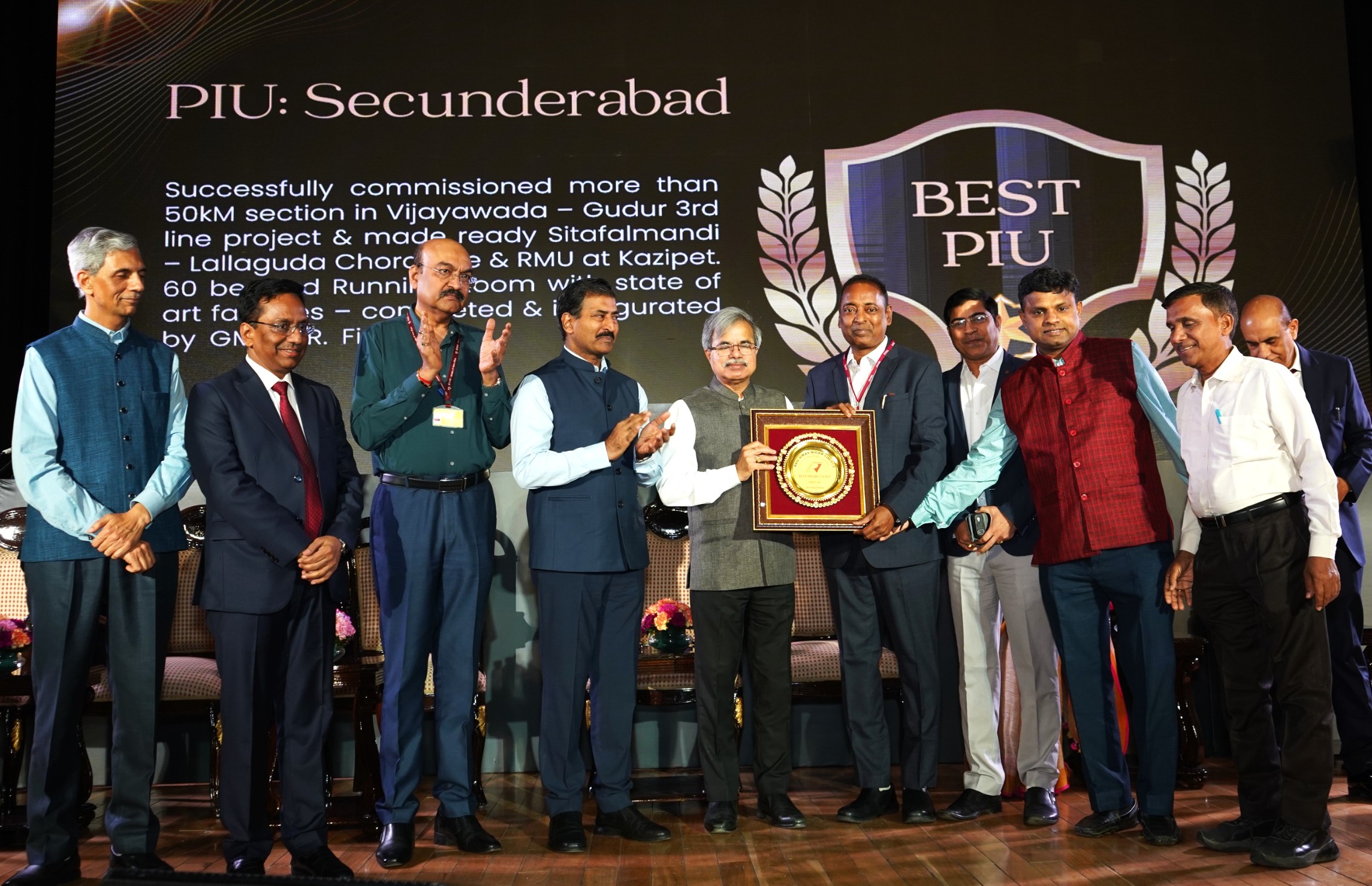
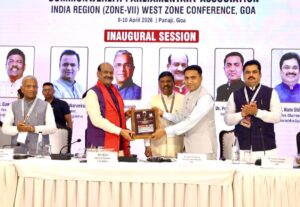
Five eminent personalities were honoured for their contributions to the Siddha system: B. Michael Jeyaraj, T. Kannan Rajaram, the late I. Sornamariammal, Mohana Raj and V. Banumathi. Their work spans clinical service, research, manuscript preservation, education and institutional leadership.
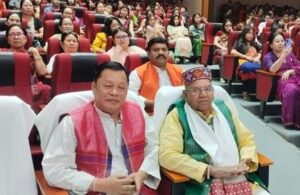
The event, themed “Siddha for Global Health,” brought together practitioners, scientists, academicians and students from across the country, reinforcing India’s efforts to position Siddha as an integral component of national and global health systems.