Second WHO Global Summit on Traditional Medicine begins in New Delhi
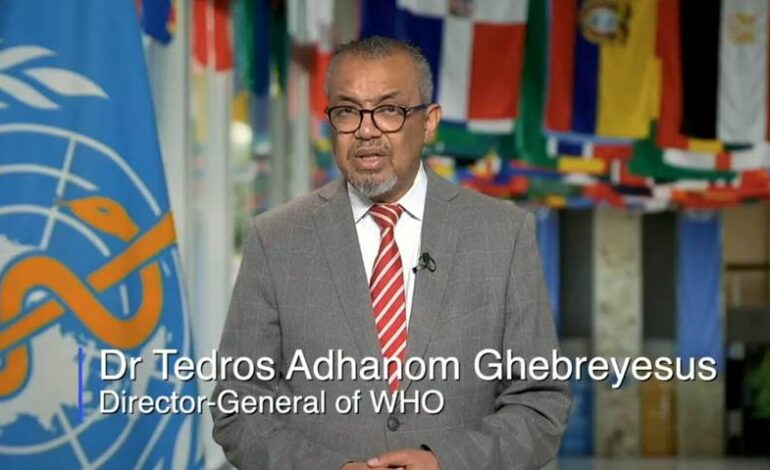
WHO director-general Tedros Adhanom Ghebreyesus, in a video message, praised India’s leadership and partnership in advancing traditional medicine globally.

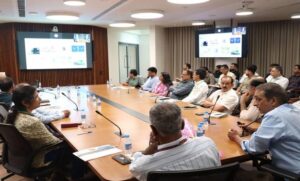
New Delhi, December 18: The Second WHO Global Summit on Traditional Medicine commenced at Bharat Mandapam in New Delhi on Wednesday, bringing together global policymakers, scientists, practitioners and Indigenous knowledge holders to advance the integration of traditional medicine into modern healthcare systems through science, standards and evidence.
The three-day summit, being held from December 17 to 19, is jointly organised by the World Health Organization and the ministry of Ayush under the theme “Restoring Balance: The Science and Practice of Health and Well-Being.” Prime Minister Narendra Modi is expected to address the closing ceremony on December 19.
Union Minister for Health and Family Welfare JP Nadda inaugurated the summit in the presence of minister of state for Ayush Prataprao Jadhav. WHO director-general Tedros Adhanom Ghebreyesus, in a video message, praised India’s leadership and partnership in advancing traditional medicine globally.
Tedros said health is not only about technology and treatment but also about balance, dignity and shared human wisdom. He noted that the World Health Assembly has adopted the WHO Global Traditional Medicine Strategy 2025–2034, which focuses on strengthening evidence through science and data, ensuring safety and quality through regulation, integrating traditional and complementary medicine into national health systems, and unlocking its value for sustainability and community well-being. He highlighted the establishment of the WHO Global Centre for Traditional Medicine in India as a key step in implementing this strategy.
Addressing the inaugural session, Prataprao Jadhav said India’s collaboration with WHO reflects a shared commitment to mainstream traditional medicine globally through scientific validation and harmonised standards. He highlighted milestones such as the integration of Ayurveda, Siddha and Unani morbidity codes into ICD-11 in 2024, ongoing work on the International Classification of Health Interventions, and the upcoming WHO Global Traditional Medicine Centre at Jamnagar, scheduled for completion in October 2025.
Jadhav said India has expanded international cooperation through education, research and capacity building, offering scholarships to foreign students, signing bilateral MoUs, establishing Ayush Chairs in global universities and setting up Ayush Information Cells across multiple countries. He added that collaborative research on medicinal plants such as Ashwagandha and Guduchi is strengthening the global evidence base, supported by digital platforms like the Ayush Grid and emerging technologies including artificial intelligence.
Ayush secretary Vaidya Rajesh Kotecha said the summit builds on the outcomes of the first WHO Global Summit on Traditional Medicine and the Gujarat Declaration, reaffirming a global commitment to science-based, equitable and sustainable traditional medicine. He said the Jamnagar centre will serve as a global hub for policy, research and innovation, aligned with the WHO strategy for 2025–2034.
A key highlight of the inaugural day was a special session on “Ashwagandha: From Traditional Wisdom to Global Impact,” where global experts discussed clinical evidence, safety standards and regulatory frameworks for the herb. The session underscored the importance of rigorous research, standardisation and pharmacovigilance to support the responsible integration of Ashwagandha into modern healthcare systems.
Following the inaugural ceremony, the summit opened a series of plenary discussions focusing on restoring balance in global health systems, knowledge governance, biodiversity conservation and equity. Speakers from across continents highlighted the need to integrate diverse knowledge systems, strengthen scientific rigour, protect Indigenous rights and ensure fair benefit-sharing.
The deliberations underscored the growing recognition of traditional medicine as a critical component of holistic, sustainable and equitable global health systems, particularly in the context of environmental pressures, health inequities and evolving governance challenges.