India Moves to Build Indigenous Aviation Security Testing Ecosystem
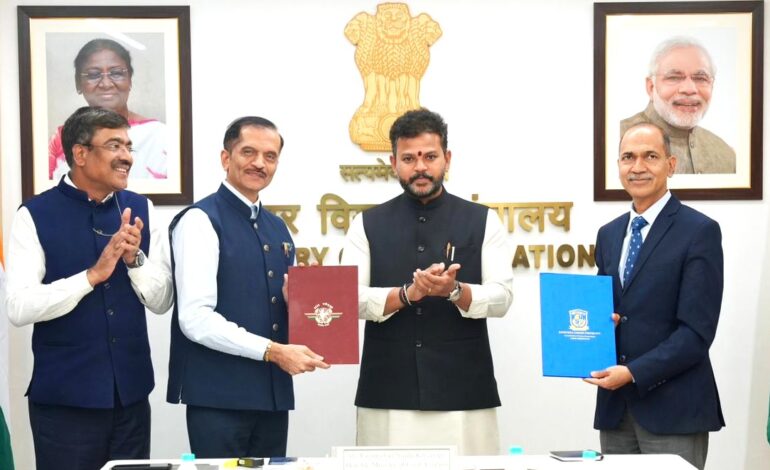
The MoU aims to create a formal institutional framework for testing, evaluation, certification and standard-setting of critical aviation security equipment, including full body scanners used at airports.

BCAS–RRU MoU to enable certification of full body scanners, strengthen Atmanirbharta in aviation security
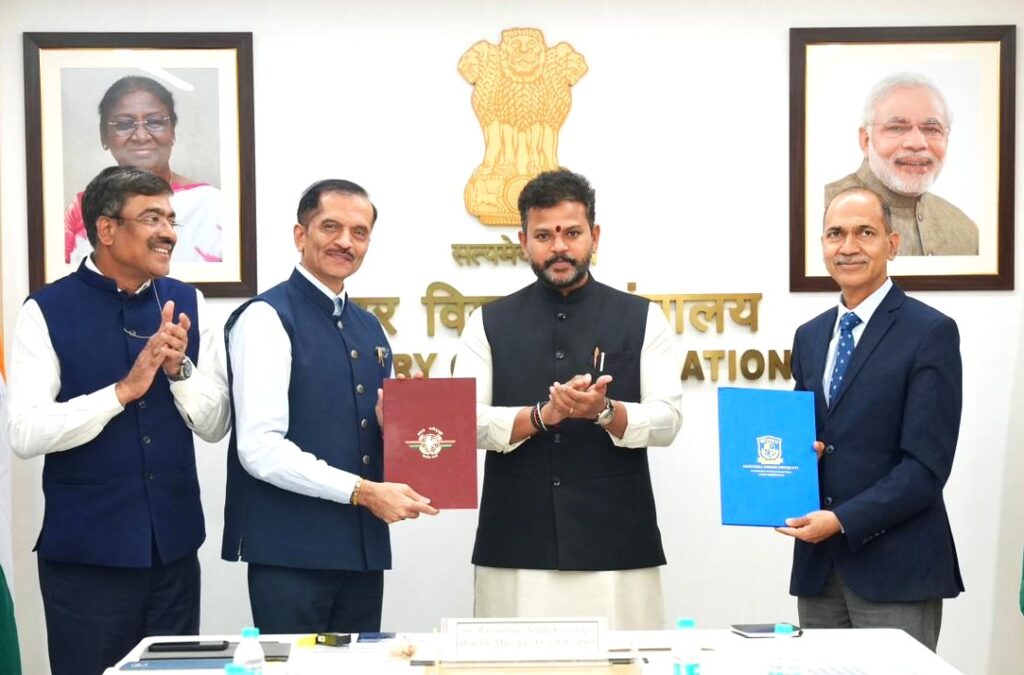
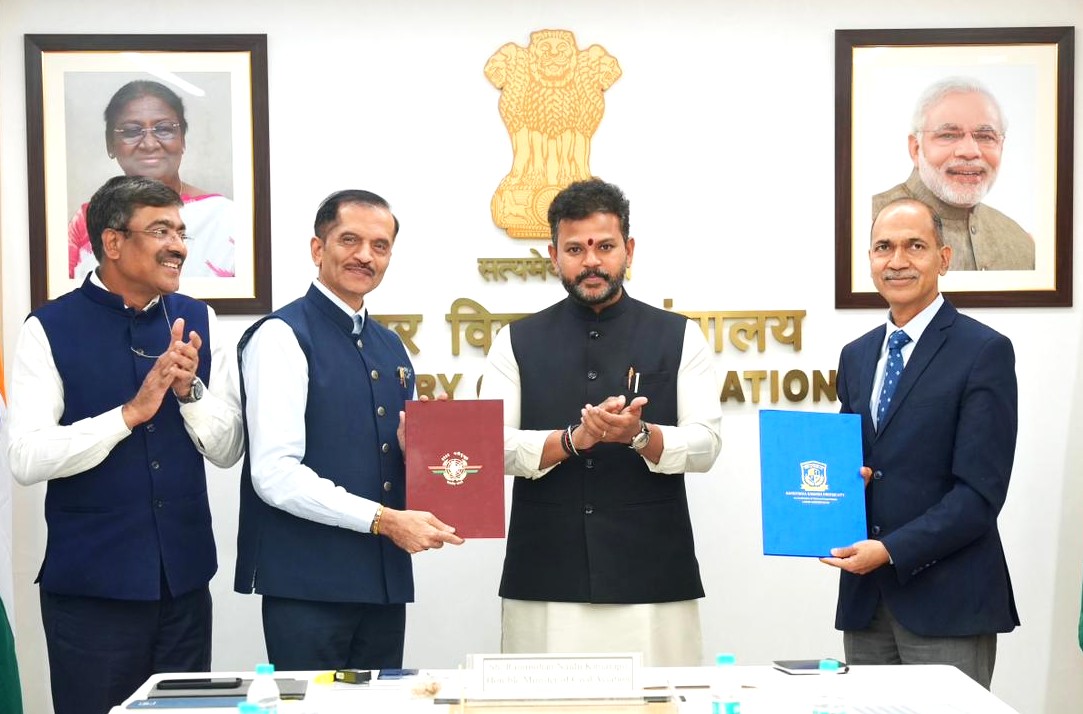
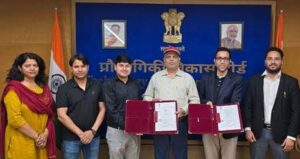
New Delhi: Union Civil Aviation Minister Ram Mohan Naidu Kinjarapu on Monday oversaw the signing of a memorandum of understanding between the Bureau of Civil Aviation Security (BCAS) and Rashtriya Raksha University (RRU) to establish India’s first dedicated indigenous aviation security equipment testing centre.
The MoU aims to create a formal institutional framework for testing, evaluation, certification and standard-setting of critical aviation security equipment, including full body scanners used at airports.
The proposed testing centre, to be set up at RRU in collaboration with BCAS, will conduct trials, performance assessments and certification of security screening systems supplied by manufacturers. It will provide independent and scientifically validated reports to support regulatory approvals.
Ram Mohan Naidu said the initiative aligns with the government’s focus on building an Atmanirbhar Bharat and strengthening aviation security through research, innovation and capacity building.
The partnership will combine BCAS’s regulatory expertise with RRU’s academic and technical capabilities to create a robust ecosystem for certification and accreditation of aviation security equipment, in line with global standards followed by agencies such as the Transportation Security Administration in the United States and the European Civil Aviation Conference.
The MoU also provides for the establishment of advanced testing laboratories, development of accreditation frameworks, and collaboration in research, training and knowledge-sharing programmes to build professional expertise in aviation security technologies.
Officials said the initiative will support Indian manufacturers by providing domestic testing infrastructure, reduce dependence on foreign certification systems, and help develop India-specific standards for aviation security equipment.
Highlighting the rapid expansion of India’s aviation sector, the minister noted that the number of airports has increased from 74 in 2014 to 165, with airports now handling 250–300 aircraft movements and 40,000–45,000 passengers every hour, alongside significant growth in air cargo volumes.
The MoU is expected to play a key role in building a future-ready aviation security framework, enabling India to emerge as a global hub for certification and innovation in aviation security systems.