CAQM Enforces Stage-II of GRAP as Delhi’s Air Quality Dips to ‘Very Poor’ Category
The Commission stated that it will closely monitor the air quality trends and review the situation periodically.

12-Point Action Plan Implemented Across NCR to Prevent Further Deterioration
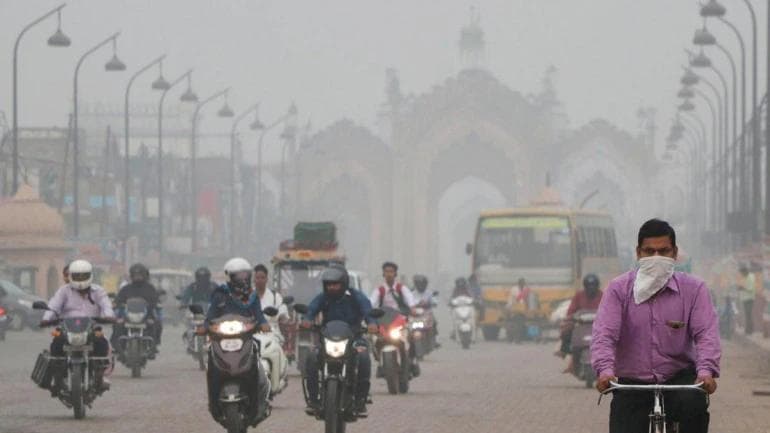
New Delhi, October 20: The Commission for Air Quality Management (CAQM) in the National Capital Region and adjoining areas has invoked Stage-II of the Graded Response Action Plan (GRAP) with immediate effect, following a sharp rise in Delhi’s Air Quality Index (AQI) to the “Very Poor” category on Sunday evening.
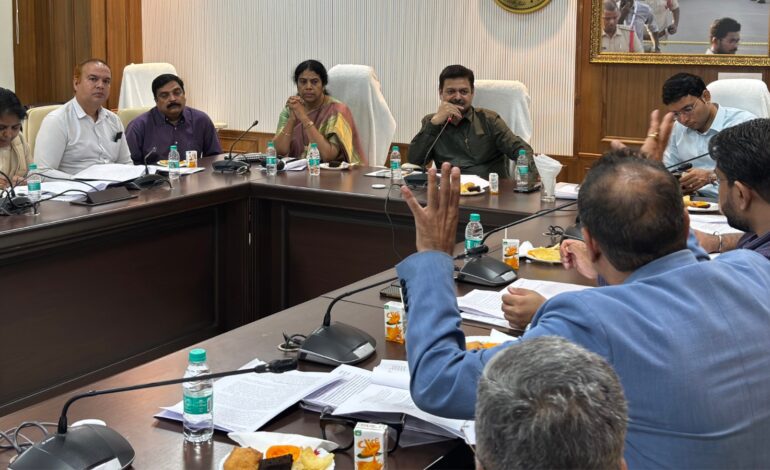
According to data from the Central Pollution Control Board (CPCB), Delhi’s daily average AQI stood at 296, with hourly averages touching 302 at 7 PM, prompting the CAQM’s Sub-Committee on GRAP to convene an emergency review meeting. Based on meteorological forecasts from IMD and IITM, the Committee decided to activate a 12-point action plan to curb further air quality deterioration across the entire NCR.
Measures Under Stage-II of GRAP
All agencies in NCR have been directed to enforce Stage-II measures in addition to those already in place under Stage-I. The 12-point plan mandates intensified road cleaning and water sprinkling, strict dust control at construction sites, enhanced monitoring at pollution hotspots, uninterrupted power supply to curb generator use, and targeted traffic management for smoother flow.
Specific steps include:
- Daily mechanical/vacuum sweeping of roads and disposal of collected dust at designated landfills.
- Regular water sprinkling before peak traffic hours using dust suppressants.
- Enhanced inspections at construction and demolition sites to enforce dust control.
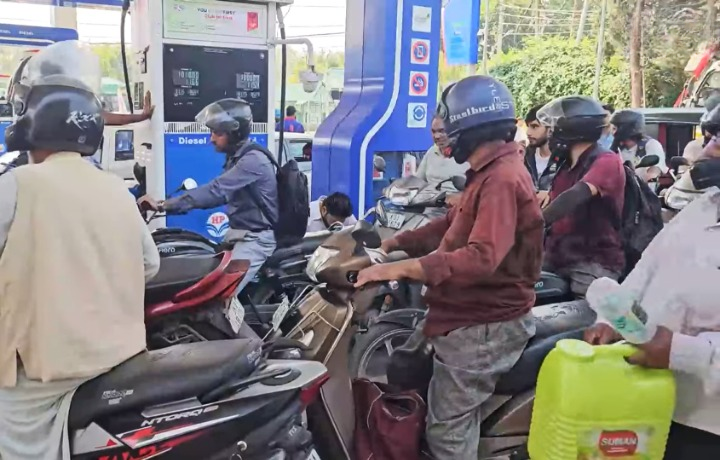
- Regulated operation of DG sets, with strict emission controls and usage limits across industrial, commercial, and residential sectors.
- Prohibition of polluting inter-state buses entering Delhi, except EVs, CNG, and BS-VI diesel vehicles.
- Public advisories in print and electronic media on air quality and citizen precautions.
In a bid to promote cleaner energy, Resident Welfare Associations (RWAs) have also been directed to provide electric heaters to outdoor staff such as security and sanitation workers to prevent biomass burning during winter.
Public Appeal and Monitoring
The CAQM urged residents to support mitigation efforts by reducing personal vehicle use, avoiding open waste burning, and opting for public transport. Citizens were also advised to replace automobile air filters regularly and refrain from dust-generating construction during the high-pollution months from October to January.
The Commission stated that it will closely monitor the air quality trends and review the situation periodically. Updated GRAP schedules and compliance guidelines are available on the CAQM website: https://caqm.nic.in.