Jal Jeevan Mission 2.0 shifts focus to reliable water supply and community-led management
The first regional conference in Tiruchirappalli highlighted 24×7 drinking water supply, stronger Gram Panchayat ownership, water quality monitoring and sustainable operation of rural water infrastructure.

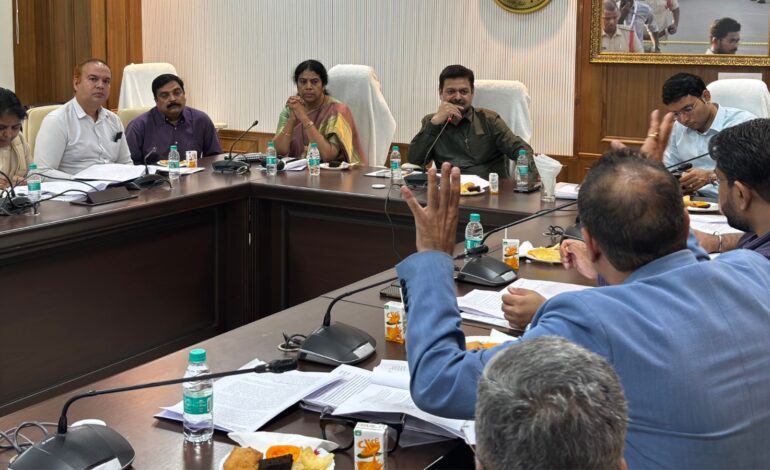
The two-day conference brought together seven States and Union Territories to review implementation of JJM 2.0 reforms, exchange field-level experiences and identify opportunities for interdepartmental convergence.

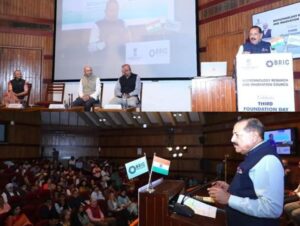
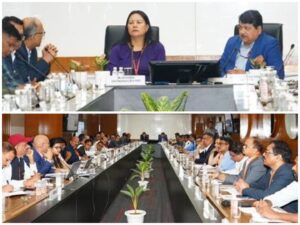
TIRUCHIRAPPALLI: The first Regional Conference on Jal Jeevan Mission (JJM) 2.0 concluded in Tiruchirappalli, Tamil Nadu, with the Centre emphasising a shift from providing household tap connections to ensuring regular, reliable and safe drinking water services through community-led management.
The two-day conference brought together seven States and Union Territories to review implementation of JJM 2.0 reforms, exchange field-level experiences and identify opportunities for interdepartmental convergence.
Addressing the concluding session, Ashok K. K. Meena, Secretary, Department of Drinking Water and Sanitation (DDWS), said the formal handover of village drinking water infrastructure to Gram Panchayats under Jal Arpan should mark the beginning of a sustained partnership between state governments, implementing departments and local bodies, rather than merely a ceremonial transfer of assets.
He said the long-term objective of JJM 2.0 was to move towards round-the-clock potable water supply directly through household taps.
Meena also stressed the need to provide Gram Panchayats with continued technical assistance, training and capacity building to manage village water supply systems. He urged States to use the Decision Support System (DSS) for planning rainwater harvesting, groundwater recharge and other source sustainability measures amid growing water stress.
Community ownership at the centre of Jal Arpan
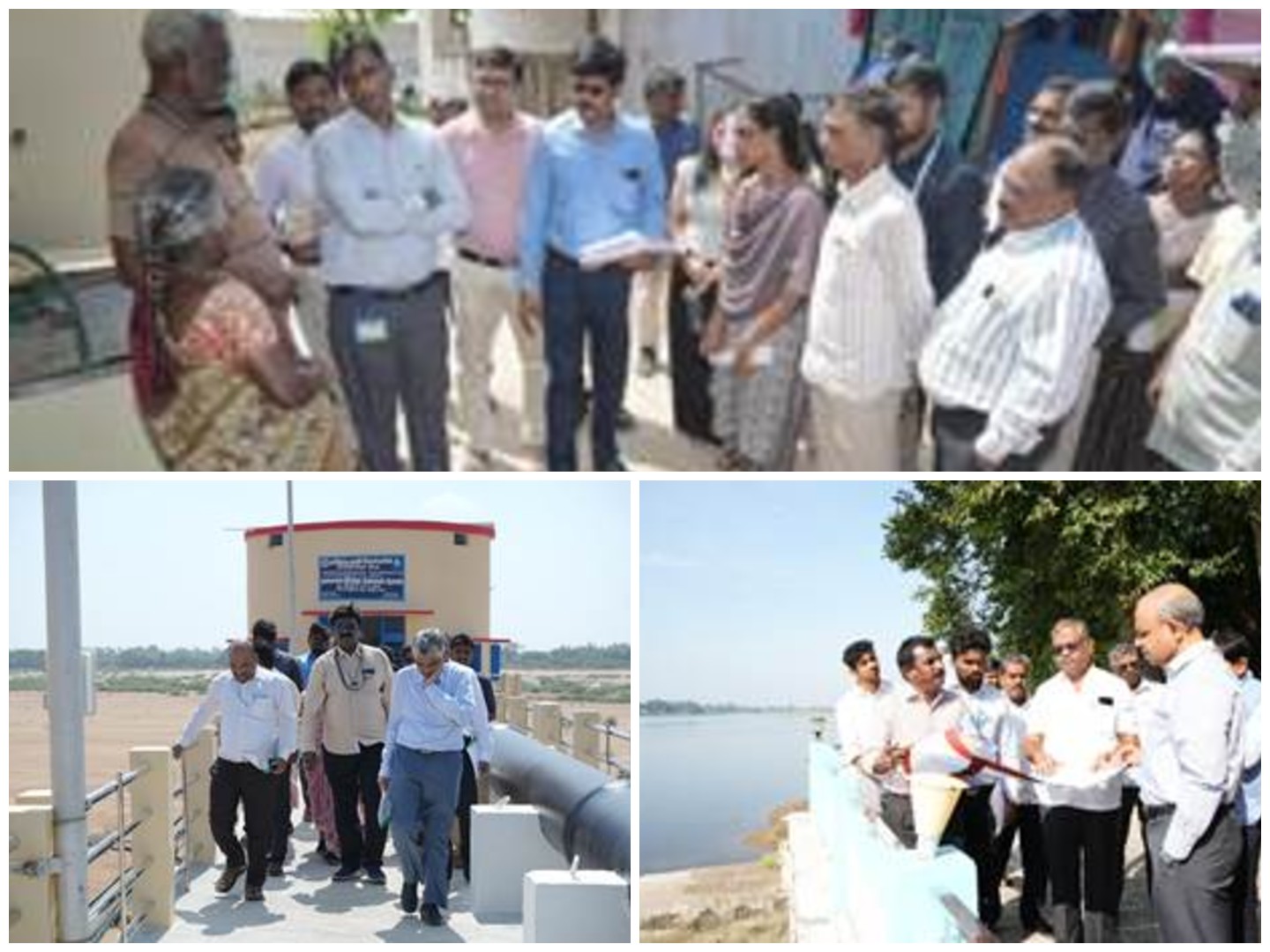
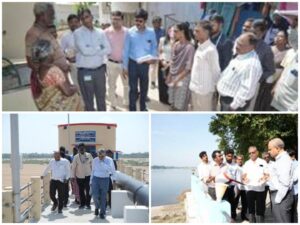
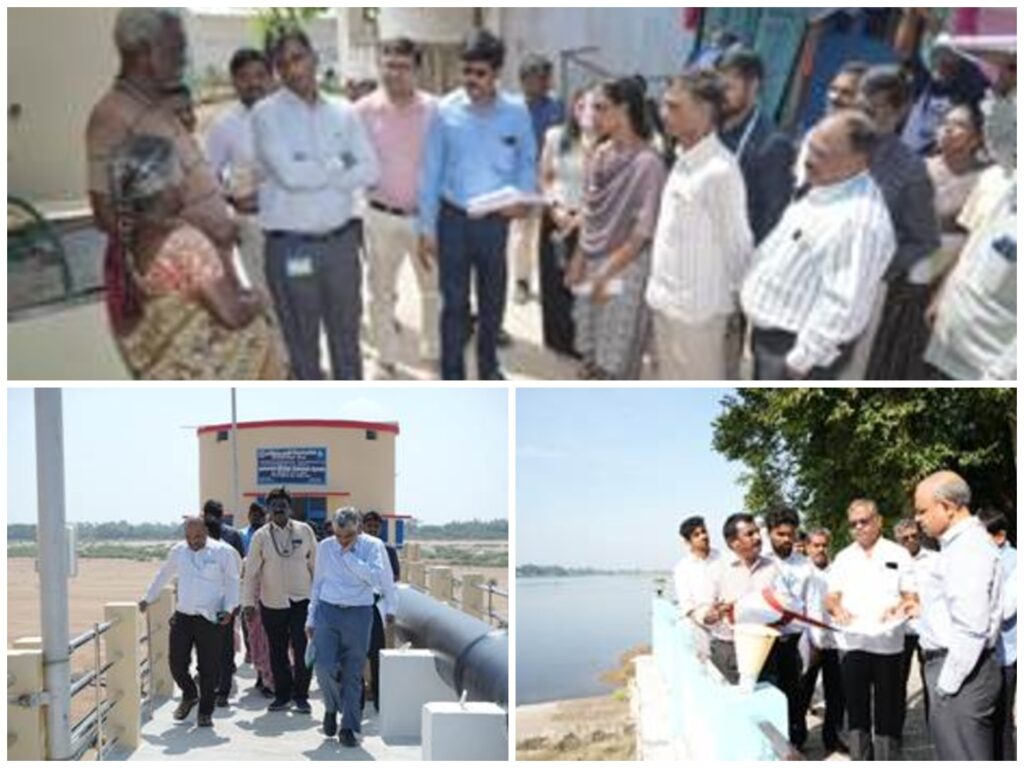
As part of the conference, five teams led by senior officials visited rural drinking water infrastructure at Vadugakudi, Thiruchinampoondi, Thindukarai, Nochiyam and Keelaanbil headworks.
The teams subsequently participated in Jal Arpan Diwas celebrations in five villages—Palamaneri, Ambedkar Nagar, Theeranmanagar, Ayyampalayam and Puthu Uthamanur—where drinking water infrastructure was formally handed over to Gram Panchayats.
At Palamaneri, Meena interacted with members of the Village Water and Sanitation Committee (VWSC) and local residents, who shared their experiences of household tap connections. Women from the Sujalam Shakti Group demonstrated water quality testing using Field Test Kits.
The visits also covered riverbed collector wells, pumping facilities and distribution arrangements, providing officials with an opportunity to assess the infrastructure and community-level operation and maintenance practices.
Officials stress continued technical support
Kamal Kishore Soan, Additional Secretary and Mission Director, National Jal Jeevan Mission, said Jal Arpan should be treated as the beginning of shared responsibility for sustainable water services.
He emphasised that Gram Panchayats should be assured of continued technical support from implementing departments, particularly for major repairs and infrastructure breakdowns. During his village visit, he drank water directly from a household tap to reinforce confidence in the quality and safety of the supply.
D. Senthil Pandian, Joint Secretary, DDWS, outlined the reforms under JJM 2.0, including institutional accountability, formal handover of infrastructure, implementation of operation and maintenance policies, capacity building of VWSCs and establishment of District Technical Units.
He also highlighted water quality monitoring, digital mapping through Sujalam Bharat and source sustainability planning using the Decision Support System.
Pandian said the Department had held inter-ministerial consultations with the Ministries of Panchayati Raj, Skill Development and Entrepreneurship, Tribal Affairs and Rural Development to strengthen convergence in financing, skill development, tribal drinking water coverage and source sustainability.
States were urged to meet their committed reform timelines ahead of a proposed national-level review in February 2027.
Five regional conferences planned
The Tiruchirappalli conference followed the Departmental Summit held in September 2026 and forms part of a structured review process involving five regional conferences.
The first conference combined policy discussions with field visits and community interactions, focusing on institutional strengthening, sustainable operation and maintenance financing, source sustainability and Gram Panchayat-led water governance.
The outcomes are expected to support interstate cooperation and accelerate the implementation of JJM 2.0 reforms, with greater emphasis on the long-term management and reliability of rural drinking water services.