Sahakar Taxi, Delhi Traffic Police Sign MoU to Digitise 34 Prepaid Booths
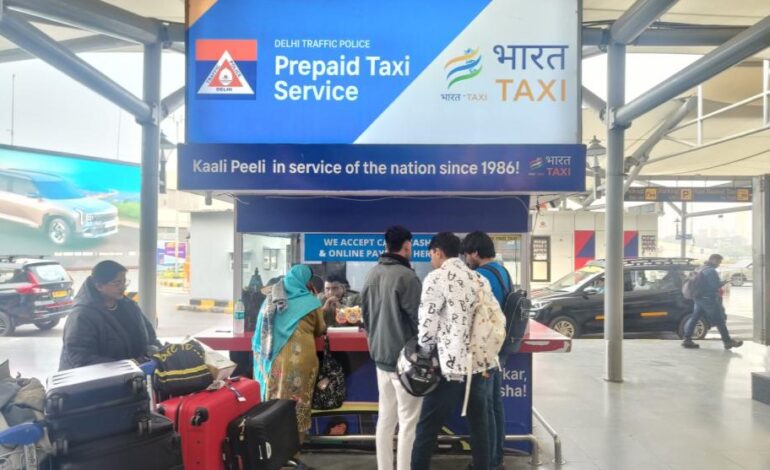
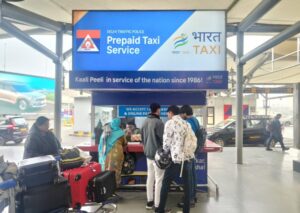
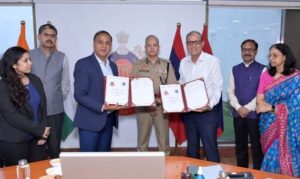
The agreement, signed on February 4, 2026, outlines a collaborative framework for managing and digitally enabling 34 prepaid taxi booths spread across 21 locations in the national capital.

Agreement aims to enhance safety, transparency, and commuter convenience across 21 locations in Delhi
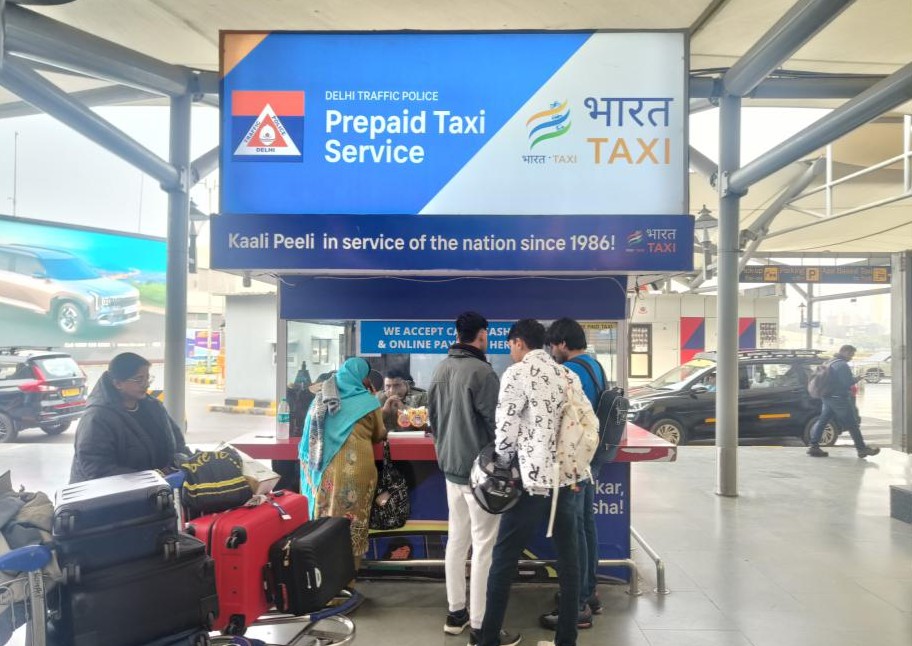
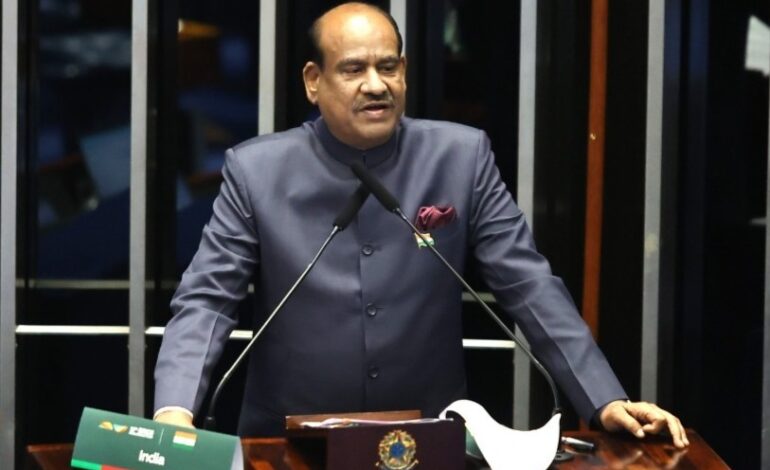
New Delhi: A memorandum of understanding (MoU) between Sahakar Taxi Cooperative Limited (STCL) and Delhi Traffic Police has set the stage for modernising Delhi’s prepaid taxi ecosystem through digital integration and improved operational governance, Union Home Minister Amit Shah said in a written reply in the Rajya Sabha on Wednesday.
The agreement, signed on February 4, 2026, outlines a collaborative framework for managing and digitally enabling 34 prepaid taxi booths spread across 21 locations in the national capital.
Under the arrangement, Delhi Traffic Police will oversee booth operations, including staff recruitment, driver verification, and passenger safety measures. A dedicated control room mechanism will also be established to strengthen monitoring and response systems.
STCL will handle digital integration, financial management, staff salary disbursement, maintenance of booths, and branding initiatives. The initiative is expected to improve transparency, streamline operations, and enhance earnings for drivers.
The cooperative model continues to operate on a no-profit, no-loss basis, ensuring financial sustainability while prioritising service delivery. Recruitment and staffing are aligned with operational requirements and phased expansion plans, the minister said.
As of March 23, 2026, the platform supports around 130 personnel across operational and support roles. The cooperative also continues to train and engage existing eligible manpower, while onboarding additional personnel based on demand and organisational needs.
The initiative reflects a broader push towards integrating digital systems into urban transport infrastructure, with a focus on safety, efficiency, and commuter experience, he added.