GLP-1 Drugs Gain Popularity in Diabetes, Obesity Care; Govt Warns of Severe Side Effects
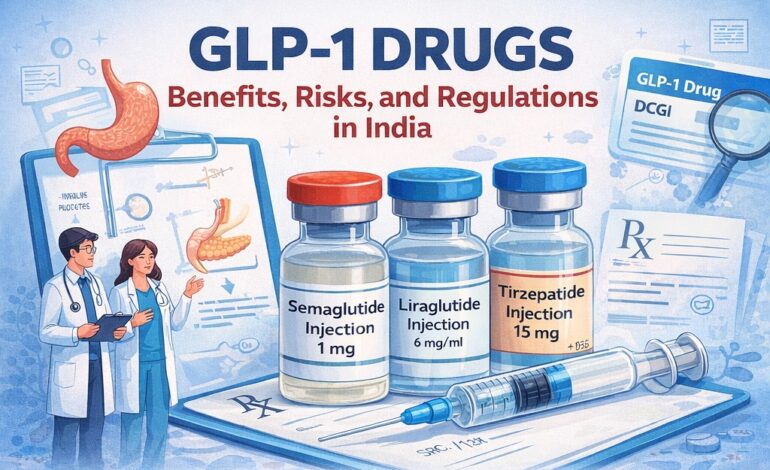
GLP-1 drugs work by stimulating insulin release, suppressing glucagon, and slowing gastric emptying, thereby helping regulate blood sugar levels and promoting weight loss

These drugs are categorised into mild, moderate, and severe risks, underscoring the need for medical oversight.
New Delhi: The Union government has issued a detailed advisory on the growing use of GLP-1 (Glucagon-Like Peptide-1) drugs, cautioning that while these medications are effective in treating type 2 diabetes and obesity, they carry significant health risks and must be used strictly under medical supervision.
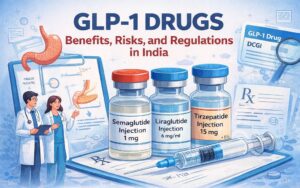
GLP-1 drugs work by stimulating insulin release, suppressing glucagon, and slowing gastric emptying, thereby helping regulate blood sugar levels and promoting weight loss. These drugs mimic natural hormonal processes to control glucose levels and reduce appetite, making them increasingly popular among diabetic and obese patients.
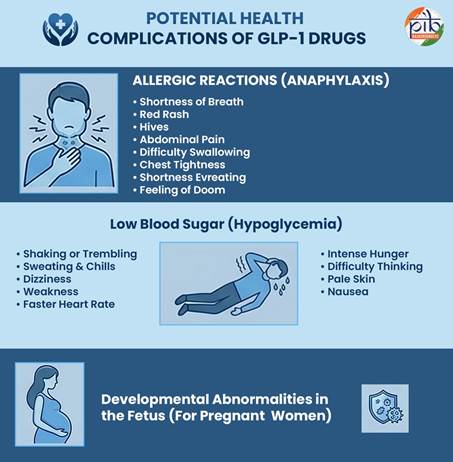
However, the advisory flags a wide spectrum of side effects. Common issues include nausea, vomiting, diarrhoea and loss of appetite, while more serious complications range from pancreatitis and kidney injury to medullary thyroid cancer. These drugs are categorised into mild, moderate, and severe risks, underscoring the need for medical oversight.
Additional complications highlighted by the government include allergic reactions, hypoglycaemia, and potential developmental risks during pregnancy. The advisory also notes physical changes such as rapid facial fat loss, often referred to in cosmetic discussions around these drugs.
The government has expressed concern over the increasing availability of these drugs through online platforms, pharmacies, and wellness clinics without proper prescriptions. In India, GLP-1 drugs can only be prescribed by specialists such as endocrinologists, internal medicine experts, and cardiologists, and are not permitted for over-the-counter sale.
To curb misuse, the Drug Controller General of India, in coordination with state regulators, has intensified surveillance. Recent actions include inspections of 49 businesses across the country, issuance of advisories against misleading advertisements, and warnings of strict penalties – including licence cancellation and legal action – for violations.
The advisory concludes that while GLP-1 drugs represent a significant advancement in managing diabetes and obesity, their misuse poses serious health risks. Patients are strongly advised to seek professional medical guidance and avoid unsupervised consumption.