Navi Mumbai Turns Textile Waste into Livelihood Engine Under Swachh Bharat 2.0
The facility has processed over 41,000 textile items, handling nearly 500 items daily, with 30 metric tonnes of waste collected so far, of which 25.5 metric tonnes have been scientifically sorted.

30 MT waste processed, 150 women earning up to ₹15,000/month through circular economy model
New Delhi: Navi Mumbai is emerging as a national model in urban waste management by transforming textile waste into economic opportunity through a structured circular economy initiative under the Swachh Bharat Mission–Urban 2.0.
The Navi Mumbai Municipal Corporation has set up India’s first Municipal Textile Recovery Facility (TRF) in Belapur, designed to systematically collect, sort, recycle and upcycle textile waste while generating livelihoods, particularly for women.
India generates nearly 7.8 million metric tonnes of post-consumer textile waste annually, much of which traditionally ends up in landfills. The TRF model addresses this gap by creating a decentralised collection and scientific processing system integrated with community participation.
As part of the initiative, over 140 textile collection bins have been installed across eight municipal wards, with plans to scale up to 250. The collected material is routed to the facility, where it undergoes scientific sorting using fibre identification tools, including handheld scanners capable of distinguishing between cotton, polyester, wool and blended fabrics.
The system classifies waste into reusable, recyclable, upcyclable and reject categories, enabling efficient recovery and reuse. A digital tracking mechanism is also being developed to monitor the lifecycle of materials from collection to final use, enhancing transparency and data-driven decision-making.
A key feature of the initiative is its focus on livelihood generation. More than 300 women have been trained in textile sorting, repair and upcycling, with over 150 currently earning between ₹9,000 and ₹15,000 per month by converting discarded textiles into value-added products such as bags, garments and home décor items.
The facility has processed over 41,000 textile items, handling nearly 500 items daily, with 30 metric tonnes of waste collected so far, of which 25.5 metric tonnes have been scientifically sorted. Outreach efforts have covered over 1.14 lakh households, supported by more than 75 awareness workshops and engagement with over 350 housing societies.
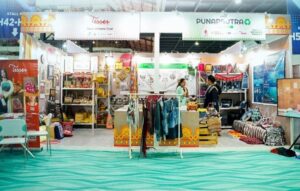
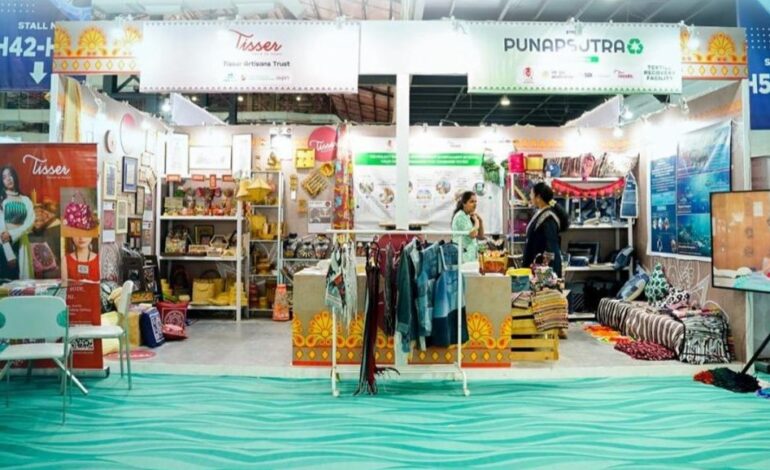
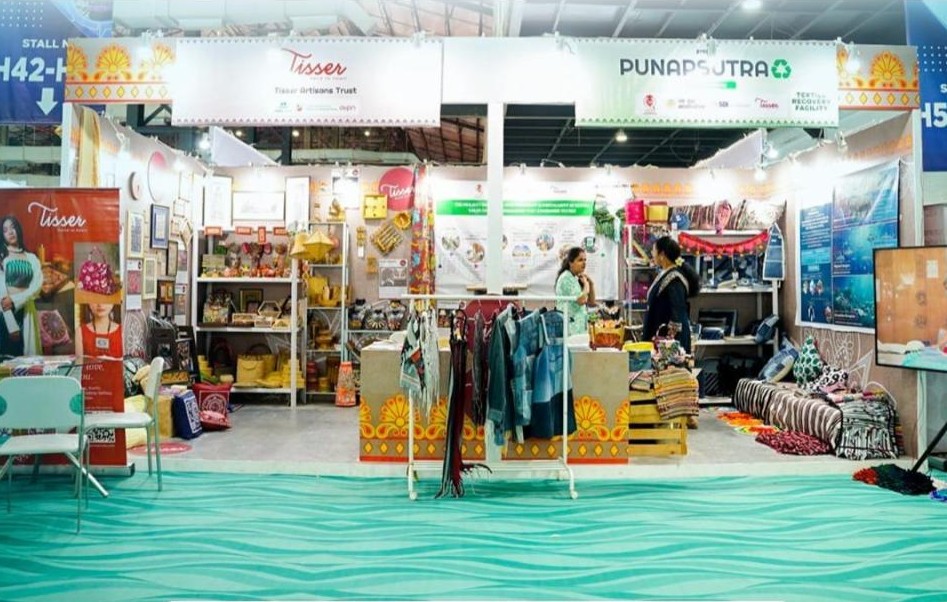
The initiative has also demonstrated innovation in resource recovery, including pilot production of paper from rejected textile waste. Upcycled products are showcased at exhibitions, providing market access and income opportunities for women artisans.
Officials said initial challenges such as low awareness, resistance to bin placement and complexities in sorting mixed fabrics were addressed through phased implementation, citizen engagement and technology integration.
Building on the success of the Belapur facility, the next phase will involve setting up a larger, permanent Textile Recovery Facility in Koparkhairane to expand capacity and scale the model.
The initiative aligns with the goals of Swachh Bharat Mission–Urban 2.0, Smart Cities Mission and Sustainable Development Goal 12 on responsible consumption and production, demonstrating how urban waste streams can be transformed into drivers of sustainability and inclusive growth.