ECI Rolls Out 28 Reform Measures to Streamline Electoral Process
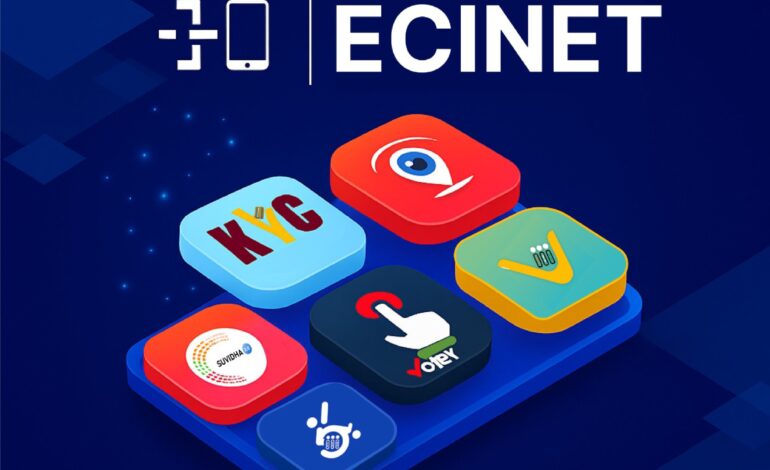
Technology has been placed at the core of reforms with the launch of ECINET, a one-stop digital platform integrating 40+ applications for voters, officials, and political parties.

New Delhi, August 20: The Election Commission of India (ECI) has undertaken 28 major initiatives in the past six months to strengthen transparency, efficiency, and inclusivity in the country’s electoral process, according to an official release on Tuesday.
The reforms span six key areas — stakeholder engagement, strengthening of electoral systems, enhanced use of technology, purification of electoral rolls, ease of voting, and capacity building.
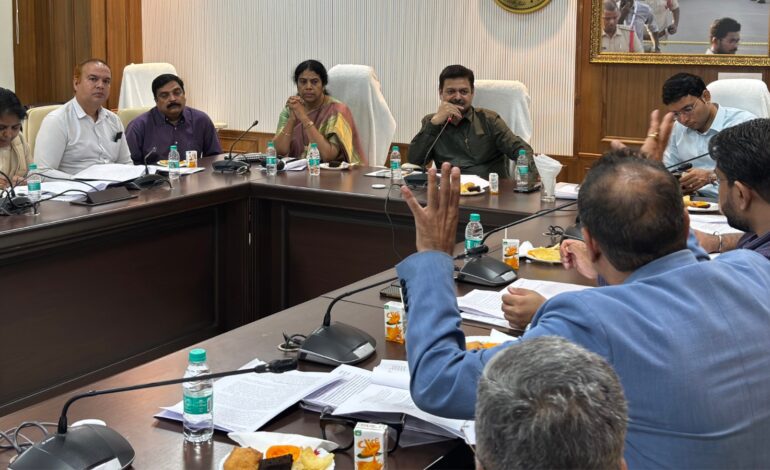
Among the highlights, over 4,700 all-party meetings were held across the country, engaging more than 28,000 political representatives. The Commission also met party presidents and senior leaders from national and state parties on 20 occasions.
On the electoral system side, the ECI has identified 476 more inactive Registered Unrecognised Political Parties (RUPPs) for delisting, mapped roles of 28 stakeholders as per electoral laws, and introduced photo identity cards for Booth Level Officers (BLOs). New standard operating procedures were issued for post-result verification of EVM microcontrollers in 5% of machines.
Technology has been placed at the core of reforms with the launch of ECINET, a one-stop digital platform integrating 40+ applications for voters, officials, and political parties. Real-time voter turnout updates every two hours, 100% webcasting of polling stations, and mandatory VVPAT slip counts in case of mismatches have also been mandated.
To ensure purity of electoral rolls, the Commission has carried out a special intensive revision in Bihar, linked death registration data for timely deletion, eliminated duplicate EPIC numbers, and set a new 15-day timeline for delivery of updated voter ID cards with SMS notifications to electors.
For voters, new facilities include mobile phone deposit counters outside polling stations, reduced crowding with a 1,200-voter limit per booth, clearer Voter Information Slips, and the allowance of candidate booths beyond 100 meters from polling stations.
Capacity building has also been scaled up, with over 7,000 BLOs trained at the India International Institute of Democracy and Election Management (IIIDEM), New Delhi. Remuneration has been enhanced for election staff, while training sessions have been extended to booth-level agents, police officers, and communication officers.
CEC Gyanesh Kumar also represented India at the IDEA Stockholm Conference in June, holding bilateral meetings with election management bodies worldwide to strengthen democratic cooperation.
According to the ECI, these reforms aim to reduce poll-related irregularities, make voting easier for citizens, and enhance public trust in the electoral process.